
Introduction to Medical Education Program
A medical education program is a structured academic pathway designed to prepare students for careers in healthcare and medicine. It combines theoretical learning with practical clinical training to develop competent medical professionals. From basic anatomy to advanced diagnostics, the program covers all essential areas required in modern healthcare systems. Students who enroll in a strong medical education program gain critical thinking abilities, patient care skills, and scientific knowledge. In today’s evolving healthcare industry, medical education also includes innovative formats like Independent Medical Education Programs, allowing learners to upgrade skills continuously. Overall, this program plays a vital role in shaping future doctors, nurses, and healthcare specialists who can meet global medical challenges effectively and confidently.
Importance of Choosing the Right Medical Education Program
Selecting the right medical education program is crucial for building a successful medical career. A well-structured program ensures students receive high-quality training, experienced faculty guidance, and modern clinical exposure. It helps learners understand real-world healthcare challenges and develop problem-solving skills. The right program also improves career opportunities by offering recognized certifications and practical internships. Many institutions now include flexible learning systems such as Independent Medical Education Programs, allowing students to learn at their own pace. A strong program not only builds knowledge but also shapes professional ethics and communication skills. Therefore, choosing wisely ensures long-term success in the competitive medical field and helps students become confident healthcare professionals.
Core Subjects in a Medical Education Program
 A standard medical education program includes a wide range of core subjects essential for medical practice. These subjects cover human anatomy, physiology, pathology, pharmacology, microbiology, and biochemistry. Each subject plays a vital role in helping students understand how the human body functions and how diseases develop. Practical lab sessions and clinical rotations are also part of the curriculum to provide hands-on experience. Modern programs often integrate advanced topics like medical technology and patient care systems. Programs such as the Summer Medical Dental Education Program also introduce students to early clinical exposure. Together, these subjects build a strong foundation for medical knowledge, ensuring students are well-prepared for future specialization and healthcare responsibilities.
Role of Practical Training in Medical Education
Practical training is a key component of any medical education program, as it bridges the gap between theory and real-world practice. Students gain experience by working in hospitals, clinics, and simulation labs under professional supervision. This training helps them understand patient care, diagnosis methods, and treatment procedures. It also builds confidence in handling medical emergencies. Many Independent Medical Education Programs emphasize hands-on learning to improve clinical decision-making skills. Through practical exposure, students learn teamwork, communication, and ethical responsibility. Without practical training, theoretical knowledge remains incomplete. Therefore, real-life practice is essential in shaping skilled and competent healthcare professionals who can effectively serve patients and contribute to the healthcare system.
Independent Medical Education Programs Explained
Independent Medical Education Programs are flexible learning systems designed for continuous professional development. These programs allow students and healthcare professionals to upgrade their knowledge without being tied to traditional classroom settings. They are often self-paced and focus on specific medical skills, new research updates, and advanced clinical practices. A medical education program of this type is especially useful for working professionals who want to continue learning while practicing. These programs improve specialization opportunities and ensure that medical practitioners stay updated with the latest advancements in healthcare. They also support lifelong learning, which is essential in the ever-evolving field of medicine, where new technologies and treatments are constantly emerging.
Summer Medical Dental Education Program Benefits
The Summer Medical Dental Education Program is a specialized training opportunity designed for students interested in medicine and dentistry. It provides early exposure to clinical environments, medical workshops, and academic enrichment activities. This program helps students understand the basics of healthcare professions before entering full medical studies. It is an important part of a broader medical education program system, especially for beginners. Participants gain mentorship from professionals, hands-on learning experience, and career guidance. It also strengthens academic readiness for medical school applications. By participating in such programs, students develop motivation, confidence, and clarity about their future careers in the healthcare and dentistry fields.
Skills Developed in Medical Education Program
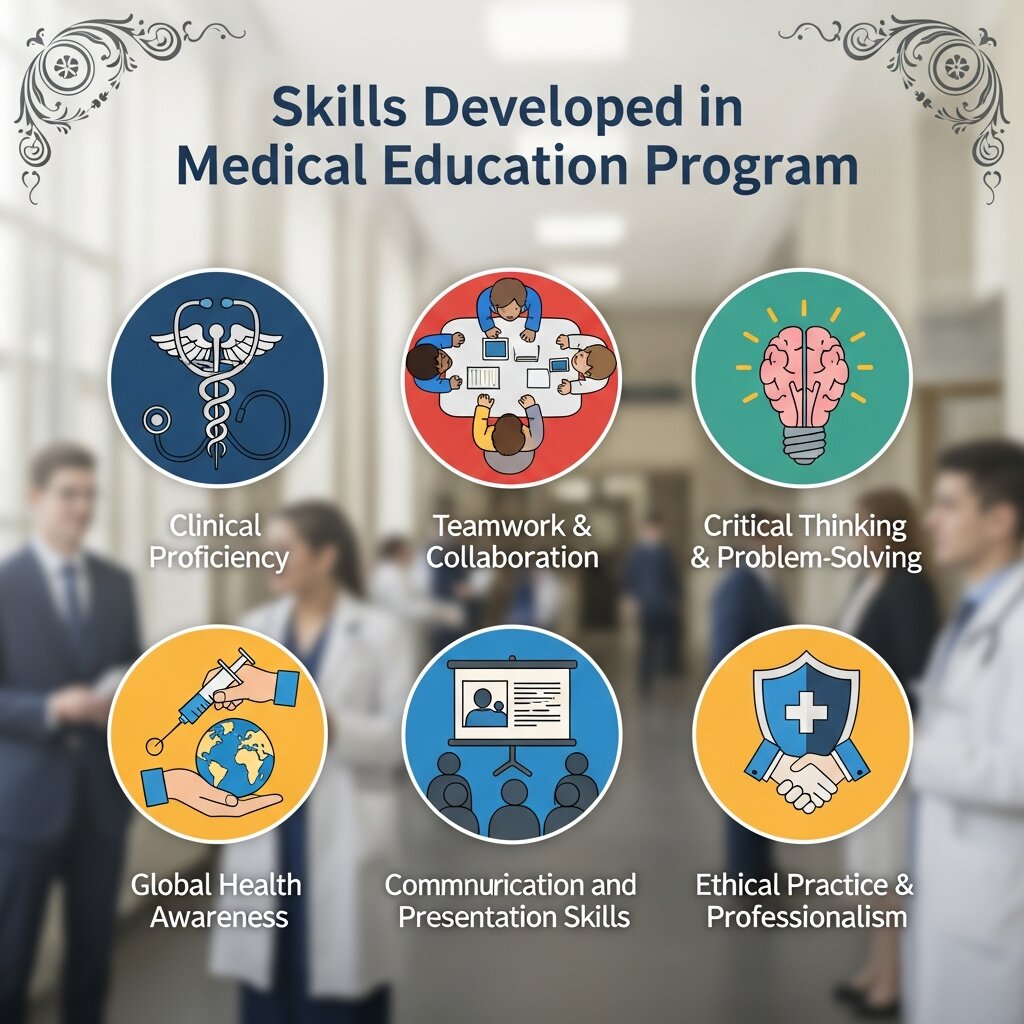 A medical education program helps students develop a wide range of essential skills required in healthcare careers. These include clinical reasoning, problem-solving, patient communication, teamwork, and time management. Students also learn how to handle pressure in emergencies and make quick yet accurate decisions. Ethical understanding and empathy are also key skills developed during training. Programs like Independent Medical Education Programs further enhance advanced learning and specialization skills. Communication with patients and colleagues is another crucial aspect of training. Overall, these skills ensure that graduates are not only knowledgeable but also capable of delivering effective and compassionate healthcare services in real-world medical environments.
Career Opportunities After Medical Education Program
Challenges in Medical Education Program
Modern Learning Approaches in Medical Education Program
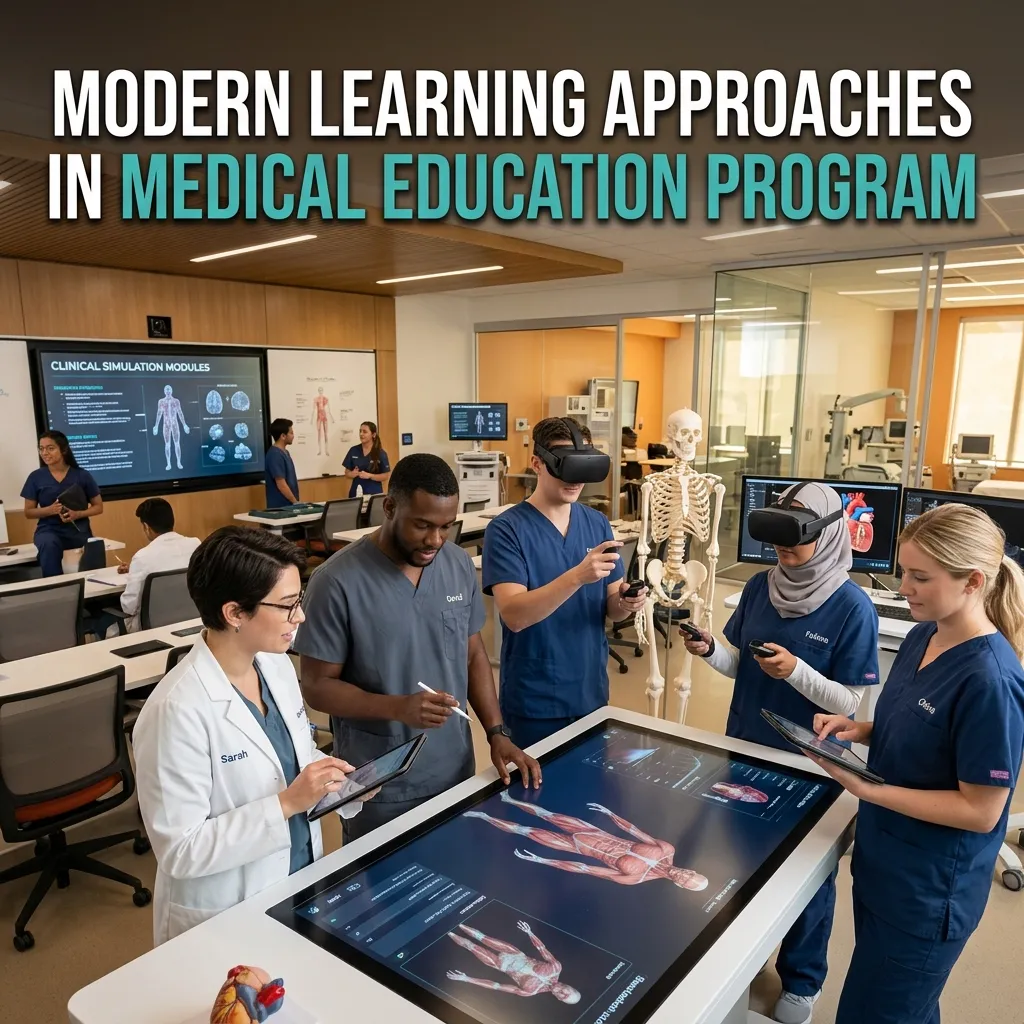 The modern medical education program is no longer limited to traditional classroom learning. Today, institutions integrate digital tools, virtual simulations, and interactive case studies to improve understanding and clinical decision-making. These modern approaches help students learn complex medical concepts more practically and engagingly. Technologies like AI-based learning systems and virtual patient simulations are also becoming common. Along with this, Independent Medical Education Programs support continuous learning for professionals. Overall, modern methods make medical training more flexible, effective, and aligned with current healthcare demands, helping students prepare better for real-world medical challenges and improving overall clinical competence.
Key Points:
- Digital learning tools enhance understanding
- Simulation-based training improves clinical skills
- AI and online platforms support self-paced learning
- Independent programs encourage continuous education
- Modern methods improve practical decision-making
| Feature | Traditional Learning | Modern Learning |
|---|---|---|
| Teaching Method | Classroom lectures | Digital + interactive tools |
| Practical Training | Limited hospital exposure | Simulation + real-time cases |
| Flexibility | Fixed schedule | Self-paced learning options |
| Technology Use | Minimal | High (AI, virtual labs) |
| Skill Development | Theoretical focus | Practical + clinical focus |
