

Understanding Healthcare Network Analytics
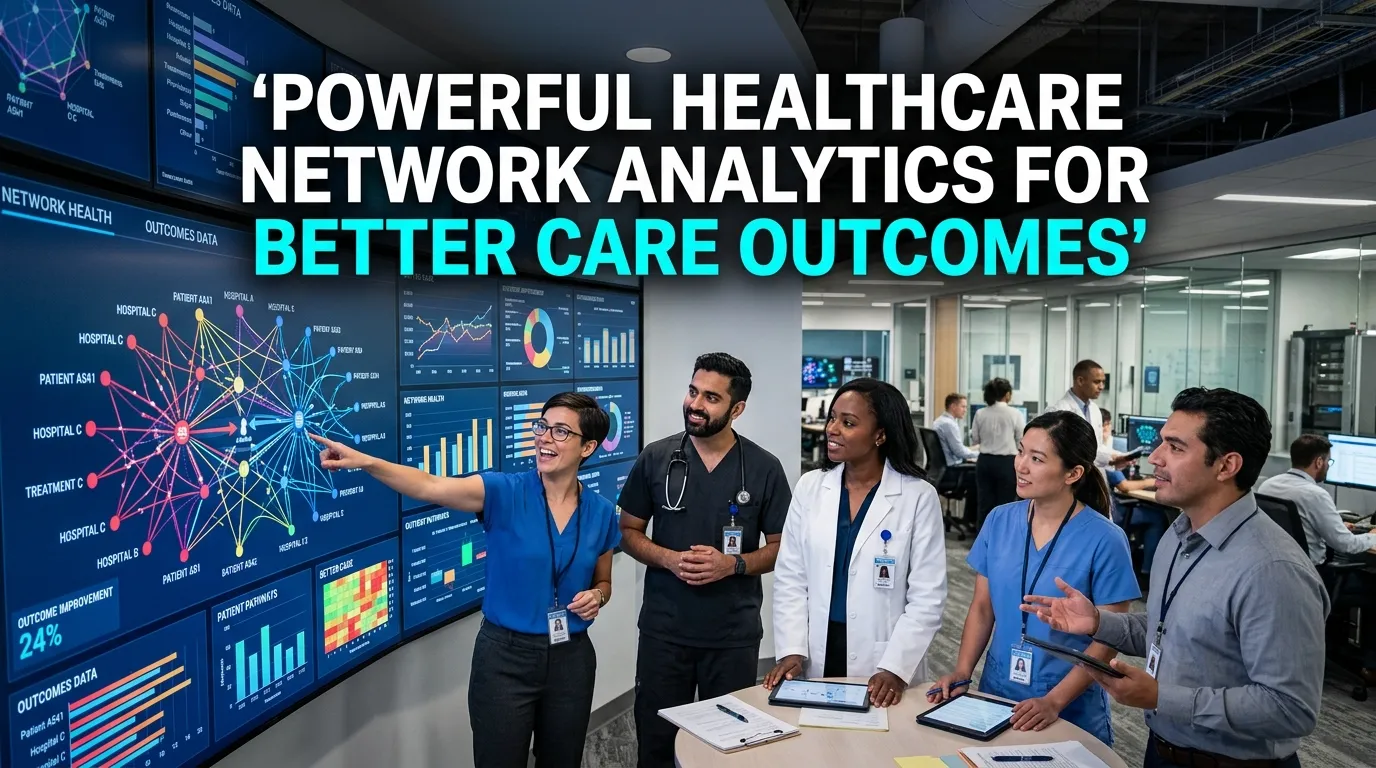
Healthcare network analytics refers to the process of examining relationships between healthcare providers, patients, and systems to improve overall service delivery. It focuses on how different parts of the healthcare ecosystem interact and share information. Through healthcare network analytics, organizations can identify patterns in patient referrals, treatment pathways, and provider collaboration. This helps uncover inefficiencies and improve care coordination. By understanding these networks, healthcare leaders can make better decisions about resource allocation and service improvements. It also provides insights into system performance, ensuring that healthcare delivery becomes more connected, efficient, and data-driven, ultimately improving both clinical and operational outcomes across the network.
Data Integration Across Healthcare Systems
Effective healthcare delivery depends heavily on data integration, which is a core aspect of healthcare network analytics. Healthcare data is often scattered across multiple systems, including electronic health records, lab systems, and insurance databases. Integrating this data creates a unified view of patient information, enabling better decision-making. With healthcare network analytics, providers can combine structured and unstructured data to gain deeper insights into patient care journeys. This integration reduces test duplication, improves communication between departments, and ensures healthcare professionals have complete and accurate information. As a result, healthcare systems become more efficient, coordinated, and capable of delivering higher-quality care with fewer errors.
Improving Patient Care Quality
 One of the most important benefits of healthcare network analytics is its direct impact on the quality of patient care. By analyzing patient data across different care points, healthcare providers can identify trends, predict risks, and develop more personalized treatment plans. This leads to faster diagnosis, better treatment outcomes, and improved patient satisfaction. Healthcare network analytics also helps detect gaps in care, ensuring that patients receive continuous and coordinated treatment throughout their healthcare journey. It enables early intervention for high-risk patients and supports preventive care strategies. Ultimately, this results in more efficient care delivery, reduced complications, and improved overall health outcomes for patients across the system.
Enhancing Operational Efficiency
Healthcare organizations face constant pressure to improve efficiency while maintaining quality care, and healthcare network analytics plays a key role in achieving this balance. It helps hospitals and clinics analyze patient flow, staff performance, and resource utilization to identify bottlenecks and inefficiencies. By understanding these patterns, administrators can optimize scheduling, reduce patient wait times, and improve bed management. Healthcare network analytics also supports better allocation of medical staff and equipment, ensuring resources are used effectively. This leads to smoother operations, reduced costs, and improved service delivery. As a result, healthcare systems become more agile and responsive to patient needs.
Predictive Insights for Better Decision-Making
Predictive capabilities are a powerful feature of healthcare network analytics, allowing organizations to forecast future healthcare trends and outcomes. By analyzing historical and real-time data, healthcare providers can predict patient admissions, disease outbreaks, and treatment responses. This enables proactive planning and better resource management. Healthcare network analytics also helps identify patients at risk of developing chronic conditions, allowing early intervention and preventive care. These predictive insights improve clinical decision-making and reduce emergencies. With accurate forecasting, healthcare systems can operate more efficiently, minimize risks, and deliver timely care that meets patient needs before problems become critical.

Reducing Healthcare Costs
Cost management is a major challenge in healthcare, and healthcare network analytics provides effective solutions for reducing unnecessary expenses. By analyzing healthcare processes, organizations can identify inefficiencies such as duplicate tests, unnecessary hospital visits, and resource wastage. This helps in optimizing treatment pathways and reducing operational costs. Healthcare network analytics also improves billing accuracy and helps detect fraudulent claims. With better visibility into cost-driving factors, healthcare providers can make informed financial decisions without compromising care quality. This leads to more sustainable healthcare systems that balance affordability with high-quality patient services, ensuring long-term financial stability for healthcare organizations.
Role of Artificial Intelligence in Healthcare Network Analytics
Artificial Intelligence (AI) is becoming a powerful driver in healthcare network analytics, helping organizations process large volumes of complex medical data quickly and accurately. AI algorithms can identify hidden patterns in patient records, provider interactions, and treatment outcomes that are difficult to detect manually. This improves decision-making and enables more precise healthcare delivery. With AI integration, healthcare systems can predict patient risks, automate routine tasks, and enhance diagnostic accuracy. It also supports real-time insights that help doctors and administrators respond faster to medical needs. Overall, AI strengthens healthcare network analytics by making healthcare systems smarter, faster, and more efficient.
Key Points:
- AI improves accuracy in analyzing healthcare data
- Helps predict patient risks and outcomes
- Automates repetitive administrative tasks
- Enhances diagnostic support for doctors
- Enables real-time data-driven decision-making in healthcare networks
| AI Application Area | Benefit | Outcome |
|---|---|---|
| Predictive Modeling | Early disease detection | Better patient survival rates |
| Data Automation | Reduced manual workload | Faster hospital operations |
| Diagnostic Support | Improved accuracy | Better treatment decisions |
| Real-time Analytics | Instant insights | Faster emergency response |
Strengthening Collaboration Among Providers
 Collaboration between healthcare providers is essential for delivering effective patient care, and healthcare network analytics enhances this collaboration by improving data sharing and communication. It allows different providers, including hospitals, specialists, and primary care physicians, to access shared patient information and treatment histories. This ensures continuity of care and reduces the risk of miscommunication or repeated procedures. Healthcare network analytics also identifies gaps in collaboration and highlights areas where coordination can be improved. Strengthening provider networks, it creates a more unified healthcare system where all stakeholders work together to improve patient outcomes and deliver more consistent and effective care.
Challenges in Implementation
Despite its benefits, implementing healthcare network analytics comes with several challenges. One of the biggest issues is data privacy and security, as healthcare information is highly sensitive and must comply with strict regulations. Another challenge is the lack of standardized data formats across different systems, which makes integration difficult. Many healthcare organizations also struggle with limited technical expertise and high implementation costs. Additionally, resistance to change among healthcare staff can slow down adoption. Overcoming these challenges requires strong leadership, investment in technology infrastructure, and proper training. With the right strategies, organizations can successfully adopt healthcare network analytics and unlock their full potential.
Future of Healthcare Network Analytics
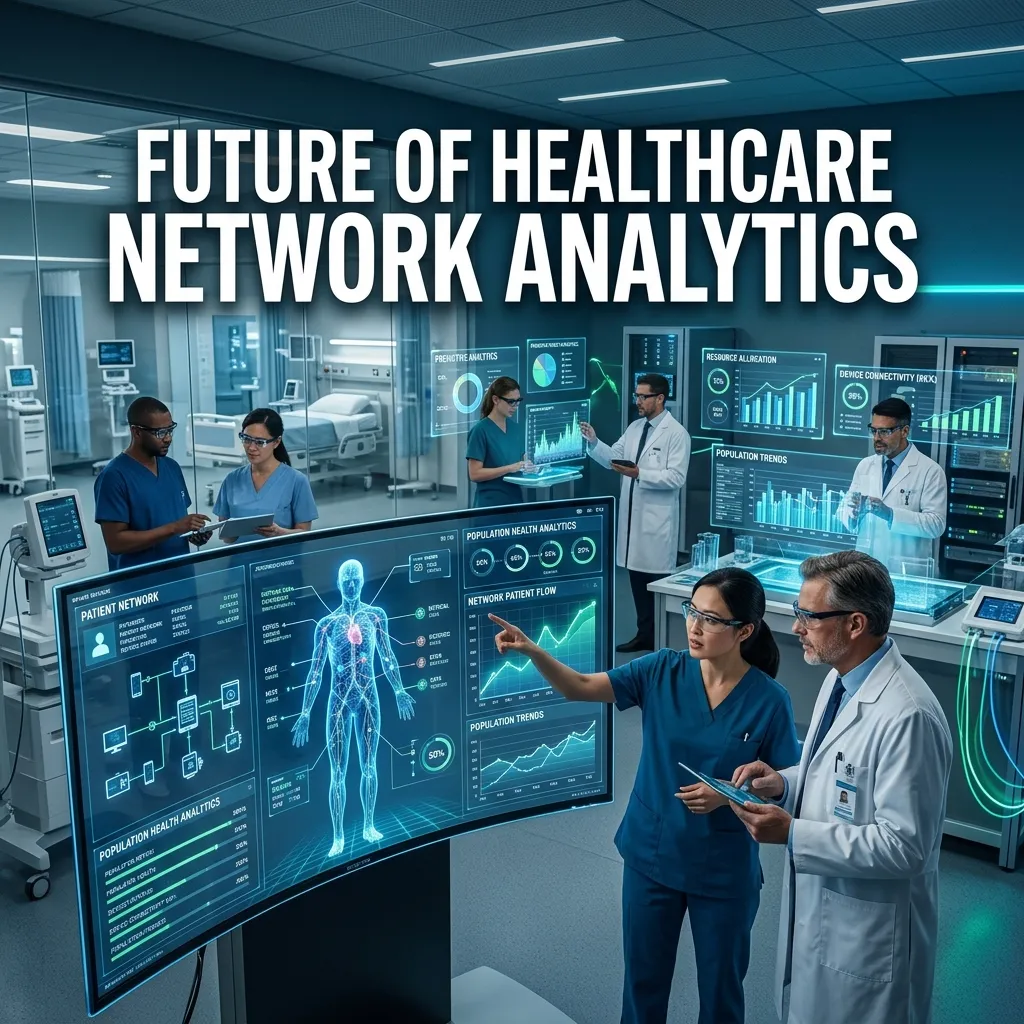 The future of healthcare network analytics is highly promising, driven by advancements in artificial intelligence, machine learning, and big data technologies. These innovations will make healthcare systems more intelligent, automated, and predictive. Real-time analytics will enable faster clinical decisions, while wearable devices and remote monitoring will provide continuous patient data. This will lead to more personalized and preventive healthcare models. As technology evolves, healthcare network analytics will become more integrated into everyday healthcare operations, improving efficiency and outcomes. Ultimately, it will transform healthcare into a more connected, data-driven, and patient-centered system that delivers higher-quality care globally.
Conclusion
Healthcare network analytics is revolutionizing modern healthcare by improving data integration, enhancing patient care, and increasing operational efficiency. It enables healthcare providers to make informed decisions, reduce costs, and improve collaboration across the entire healthcare system. Despite challenges such as data security and system integration, its benefits continue to drive widespread adoption. As technology advances, healthcare network analytics will play an even greater role in shaping the future of healthcare, ensuring smarter, faster, and more effective care delivery for patients worldwide.
