

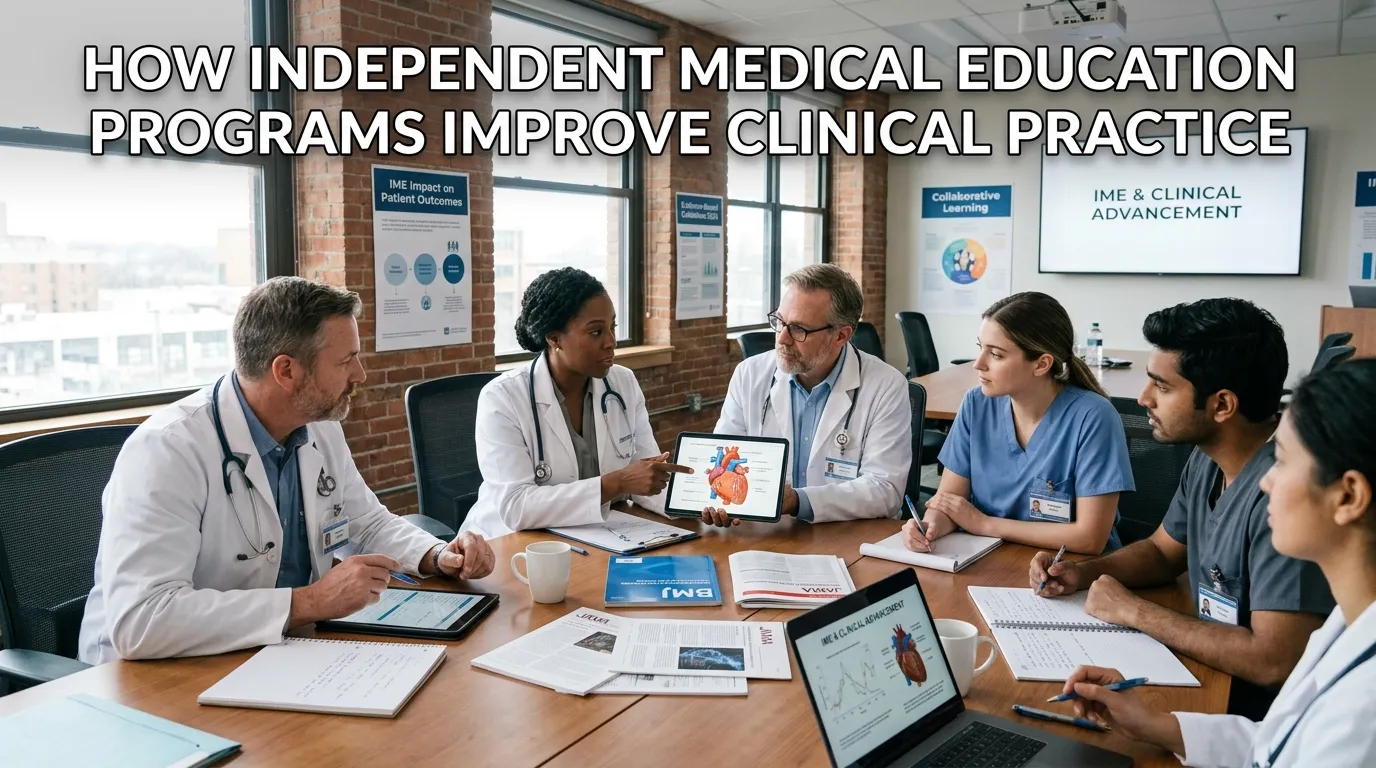
This blog explains how an independent medical education program improves clinical practice by enhancing knowledge, decision-making, and patient care. It highlights benefits, digital learning, accreditation, challenges, and the future of continuous medical education in healthcare.
An independent medical education program is designed to enhance the clinical knowledge and skills of healthcare professionals through unbiased, evidence-based learning. It supports continuous professional development by focusing on updated research, treatment methods, and patient care practices. These programs help clinicians improve decision-making, reduce errors, and deliver better healthcare outcomes. In modern medicine, such programs are essential for maintaining high standards of clinical practice.
Understanding the Independent Medical Education Program
An independent medical education program is a structured learning system designed for healthcare professionals to improve their clinical knowledge and practical skills. Unlike promotional training, it is free from commercial bias and focuses purely on scientific evidence and patient outcomes. These programs are often developed by academic institutions, medical associations, or accredited organizations. They cover a wide range of topics such as disease management, diagnostic advancements, and treatment protocols. The main goal of an independent medical education program is to ensure continuous professional development. It supports clinicians in making informed decisions, improving accuracy in diagnosis, and delivering better healthcare services in both hospital and community settings.
Importance of Independent Medical Education in Modern Healthcare
The healthcare industry is constantly changing with new research, technologies, and treatment methods. An independent medical education program ensures that healthcare professionals remain updated with these advancements. It helps bridge the gap between medical research and clinical practice. By participating in structured learning, doctors and clinicians can improve their understanding of emerging diseases and therapies. This directly impacts patient safety and treatment effectiveness. The importance of an independent medical education program lies in its ability to maintain high standards of medical care. It also encourages lifelong learning, which is essential for professional growth and maintaining clinical competence in a competitive healthcare environment.
Key Features of Independent Medical Education Programs
An independent medical education program is defined by several important features that make it unique and valuable. First, it is unbiased and not influenced by pharmaceutical or commercial interests. Second, it is evidence-based, relying on the latest scientific research and clinical guidelines. Third, it is designed for professional development, targeting healthcare providers across different specialties. These programs often include workshops, online modules, case studies, and interactive sessions. Another key feature is accessibility, allowing professionals to learn at their own pace. Overall, an independent medical education program ensures that learning is transparent, credible, and focused on improving real-world clinical practice.
How It Improves Clinical Decision-Making
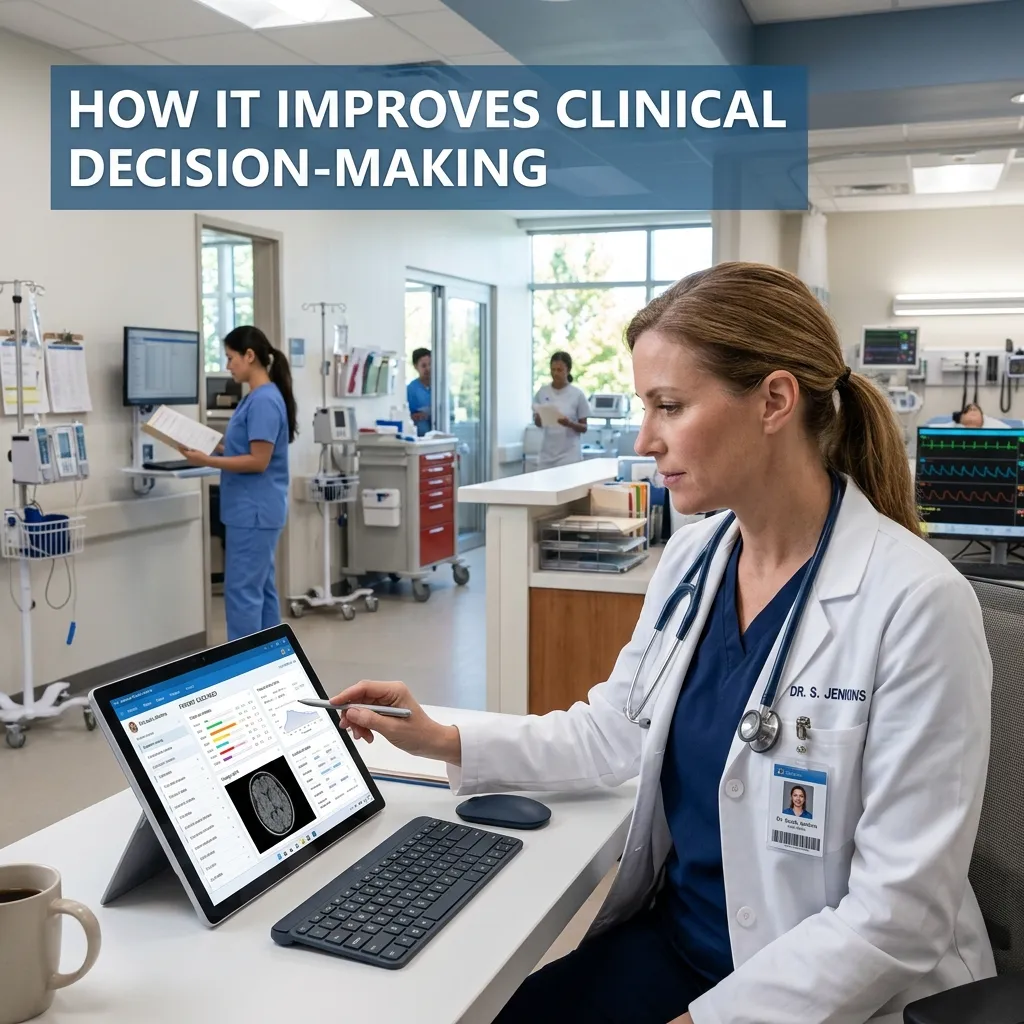 An independent medical education program significantly enhances clinical decision-making among healthcare professionals. Exposing clinicians to updated research and case-based learning, it improves their ability to evaluate symptoms, diagnose conditions, and select appropriate treatments. This reduces medical errors and increases treatment accuracy. The program encourages critical thinking, helping doctors analyze patient conditions more effectively. It also promotes the use of evidence-based medicine in everyday practice. As a result, healthcare providers become more confident in their decisions. An independent medical education program ultimately ensures that clinical decisions are based on knowledge, experience, and the latest scientific evidence, improving overall patient outcomes.
Role in Enhancing Patient Care Quality
Patient care quality is directly influenced by the knowledge and skills of healthcare professionals. An independent medical education program plays a major role in improving this quality by providing continuous learning opportunities. When clinicians stay updated with new treatment methods and guidelines, they can offer safer and more effective care. This reduces complications and improves recovery rates. The program also emphasizes patient-centered care, ensuring that treatments are tailored to individual needs. Through improved communication skills and clinical knowledge, healthcare providers can better understand patient concerns. An independent medical education program ultimately leads to higher patient satisfaction and better healthcare outcomes.
Digital Transformation in Medical Education
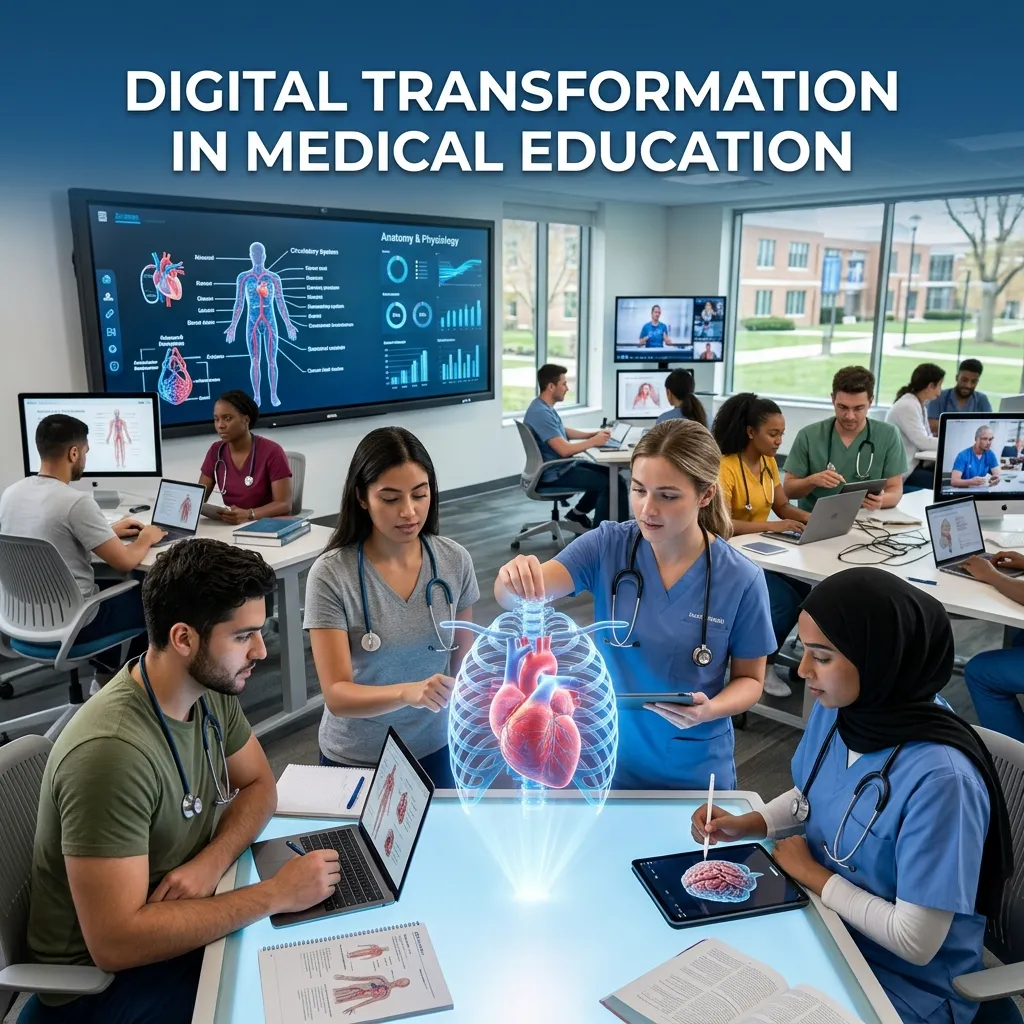
With advancements in technology, an independent medical education program has evolved into digital learning platforms. Online courses, webinars, and virtual simulations have made medical education more accessible than ever. Healthcare professionals can now learn from anywhere at any time. This flexibility allows better time management while maintaining professional development. Digital tools also provide interactive learning experiences, making complex medical topics easier to understand. Data-driven insights and virtual case studies enhance practical knowledge. The integration of technology into an independent medical education program ensures that learning remains modern, efficient, and aligned with current healthcare demands.
Impact of Independent Medical Education Program on Healthcare Systems
An independent medical education program has a significant impact on overall healthcare systems by improving the competence and performance of healthcare professionals. When doctors, nurses, and clinicians engage in continuous, unbiased learning, it leads to more accurate diagnoses, safer treatments, and better patient outcomes. These programs also help standardize clinical practices across different healthcare settings, reducing inconsistencies in care delivery. By integrating the latest research and medical guidelines into everyday practice, an independent medical education program strengthens the efficiency of healthcare systems. It also supports public health goals by improving disease management, prevention strategies, and long-term healthcare quality at both institutional and community levels.
Evidence-Based Learning in the Independent Medical Education Program
An independent medical education program strongly emphasizes evidence-based learning, which ensures that healthcare professionals rely on the most current and scientifically validated medical information. This approach bridges the gap between clinical research and everyday practice. By focusing on real-world studies, clinical trials, and updated treatment guidelines, these programs help practitioners make safer and more accurate decisions. Evidence-based learning also reduces unnecessary variations in treatment and improves consistency in patient care. Overall, an independent medical education program strengthens clinical confidence by ensuring that every decision is supported by reliable medical evidence.
Key Points
- Focuses on scientific and clinical research evidence
- Improves accuracy in diagnosis and treatment
- Reduces medical errors in clinical practice
- Encourages standardized patient care approaches
- Strengthens decision-making confidence
| Aspect | Benefit in Clinical Practice |
|---|---|
| Clinical Research | Improves treatment accuracy |
| Updated Guidelines | Ensures modern medical practice |
| Case Studies | Enhances real-world understanding |
| Data Analysis | Supports better decision-making |
| Continuous Review | Maintains clinical relevance |
Challenges in Independent Medical Education Programs
Despite its benefits, an independent medical education program faces certain challenges. One major issue is ensuring complete transparency and avoiding indirect commercial influence. Funding and resource limitations can also affect program quality. Additionally, maintaining engagement among busy healthcare professionals can be difficult. Some learners may also face technical barriers when accessing digital platforms. Another challenge is updating content regularly to match rapid medical advancements. However, these challenges can be managed through strict accreditation standards, better digital infrastructure, and continuous content review. Addressing these issues ensures that an independent medical education program remains reliable and effective for clinical learning.
Accreditation and Quality Standards
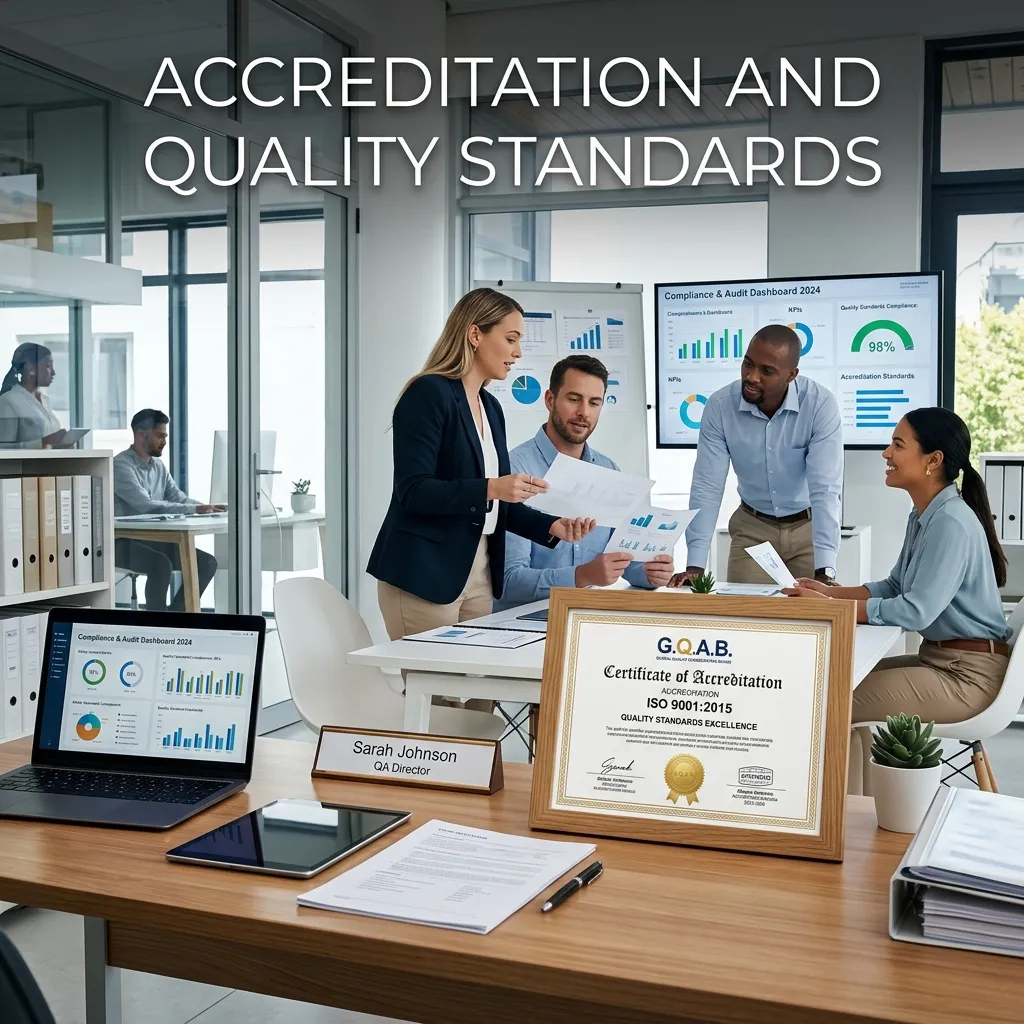 Accreditation is a crucial aspect of an independent medical education program. It ensures that the program meets high educational and ethical standards. Accredited programs are reviewed by professional medical bodies to confirm their credibility and scientific accuracy. This process guarantees that the content is unbiased and evidence-based. Quality standards also ensure that learning outcomes are measurable and relevant to clinical practice. Healthcare professionals often prefer accredited programs because they provide recognized certifications. An independent medical education program with proper accreditation builds trust and ensures consistent improvement in medical education and healthcare delivery.
Professional Growth Through the Independent Medical Education Program
A major advantage of an independent medical education program is its contribution to long-term professional growth. It allows healthcare professionals to continuously upgrade their skills and adapt to new medical advancements. This ongoing learning improves career opportunities, leadership skills, and clinical expertise. It also builds confidence in handling complex medical cases. By engaging in structured education, professionals remain competitive in the healthcare industry while ensuring high-quality patient care. An independent medical education program ultimately supports lifelong learning, which is essential in a rapidly evolving medical environment.
Key Points
- Enhances long-term career development
- Builds advanced clinical expertise
- Supports lifelong learning habits
- Improves leadership and communication skills
- Increases professional confidence in practice
| Area of Growth | Impact of Program |
|---|---|
| Clinical Skills | More accurate diagnosis & treatment |
| Career Development | Better job opportunities |
| Leadership Skills | Improved team management |
| Knowledge Update | Awareness of the latest medical trends |
| Professional Confidence | Stronger clinical decision-making |
Future of Independent Medical Education
The future of the independent medical education program is expected to be highly digital, personalized, and data-driven. Artificial intelligence and machine learning will likely play a key role in customizing learning experiences for healthcare professionals. Virtual reality and simulation-based training will further enhance clinical skills. Global collaboration among medical institutions will also improve knowledge sharing. As healthcare continues to evolve, the demand for continuous learning will increase. An independent medical education program will remain essential in ensuring that clinicians stay updated, competent, and capable of delivering high-quality patient care in an increasingly complex medical environment.
Conclusion
An independent medical education program is essential for modern healthcare systems as it supports continuous professional development and improves clinical practice. By providing unbiased, evidence-based learning, it helps healthcare professionals enhance their decision-making skills, improve patient care, and stay updated with medical advancements. Despite challenges, the future of these programs is promising due to digital transformation and technological integration. Ultimately, an independent medical education program strengthens the healthcare system by ensuring that medical professionals are well-trained, informed, and prepared to deliver the best possible care to patients.
Frequently Asked Questions
1. What is an independent medical education program?
An independent medical education program is a structured learning initiative for healthcare professionals that provides unbiased, evidence-based medical knowledge. It focuses on improving clinical skills, decision-making, and patient care without commercial influence, ensuring continuous professional development and updated medical understanding.
2. Why is an independent medical education program important?
An independent medical education program is important because it helps healthcare professionals stay updated with the latest medical research and treatments. It improves clinical competence, reduces errors, and enhances patient outcomes by promoting continuous learning and evidence-based medical practice.
3. Who can participate in these programs?
Healthcare professionals such as doctors, nurses, pharmacists, and clinical researchers can participate in an independent medical education program. These programs are designed for anyone involved in patient care who needs updated medical knowledge and improved clinical decision-making skills.
4. How does it improve clinical practice?
An independent medical education program improves clinical practice by providing updated medical knowledge and real-world case studies. It enhances diagnostic accuracy, treatment planning, and patient management, helping healthcare professionals make better and more informed clinical decisions.
5. Are independent medical education programs biased?
No, an independent medical education program is designed to remain free from commercial bias. It focuses on evidence-based learning and is usually developed by accredited institutions, ensuring neutrality, transparency, and high-quality educational content for healthcare professionals.
6. What topics are covered in these programs?
An independent medical education program covers topics such as disease management, diagnostics, treatment guidelines, medical ethics, and new healthcare technologies. It also includes case studies and research updates to improve practical clinical understanding and professional development.
7. Are these programs available online?
Yes, many independent medical education program courses are available online. They include webinars, virtual workshops, and e-learning modules, allowing healthcare professionals to learn flexibly from anywhere while balancing their professional responsibilities effectively.
8. Do these programs offer certification?
Many independent medical education programs offer certification upon completion. These certificates are often accredited by recognized medical bodies and help healthcare professionals demonstrate their continued learning and commitment to maintaining clinical excellence.
9. How do they support patient care?
An independent medical education program supports patient care by improving the knowledge and skills of healthcare providers. Better-trained professionals can accurately diagnose, choose effective treatments, and ensure safer, more personalized care for patients in various clinical settings.
10. What is the future of independent medical education programs?
The future of independent medical education programs is digital marketing and technology-driven. With AI, virtual reality, and online platforms, learning will become more interactive, personalized, and accessible, helping healthcare professionals stay updated with evolving medical advancements globally.
