

What Are Global Health Organizations
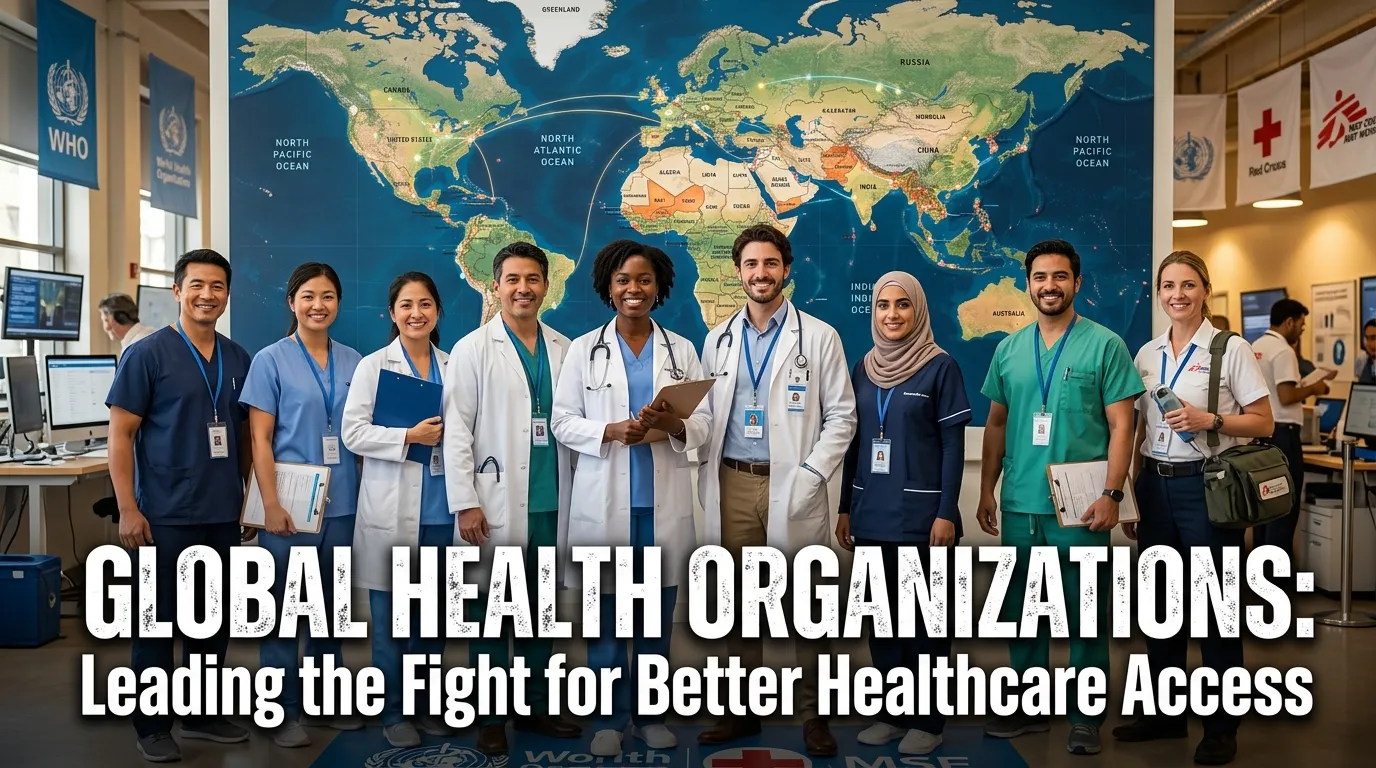
Global health organizations are international bodies dedicated to improving health outcomes across countries. These institutions focus on disease prevention, healthcare delivery, and policy development. Key players include the World Health Organization, UNICEF, and the World Bank. They work with governments and NGOs to reduce health disparities and strengthen underdeveloped healthcare systems. Their mission is to ensure equitable access to healthcare services, especially in low-income regions. By providing funding, guidelines, and technical support, they promote sustainable development goals worldwide. Their work includes vaccination campaigns, nutrition programs, and disease surveillance. They also coordinate emergency responses, ensuring rapid action and global health protection effectively.
Role in Disease Prevention
Disease prevention is one of the most critical functions of global health organizations. They develop vaccination programs, promote hygiene awareness, and track disease outbreaks. Organizations like the World Health Organization and Gavi, the Vaccine Alliance, lead global immunization efforts to prevent diseases such as polio, measles, and hepatitis. They also monitor emerging infections to prevent pandemics before they spread widely. Public health campaigns encourage communities to adopt healthier lifestyles and preventive practices. These efforts significantly reduce mortality rates and improve life expectancy. By investing in research and early detection systems, global health organizations help countries respond faster to health threats. Their preventive strategies are cost-effective and save millions of lives each year.
Improving Healthcare Access
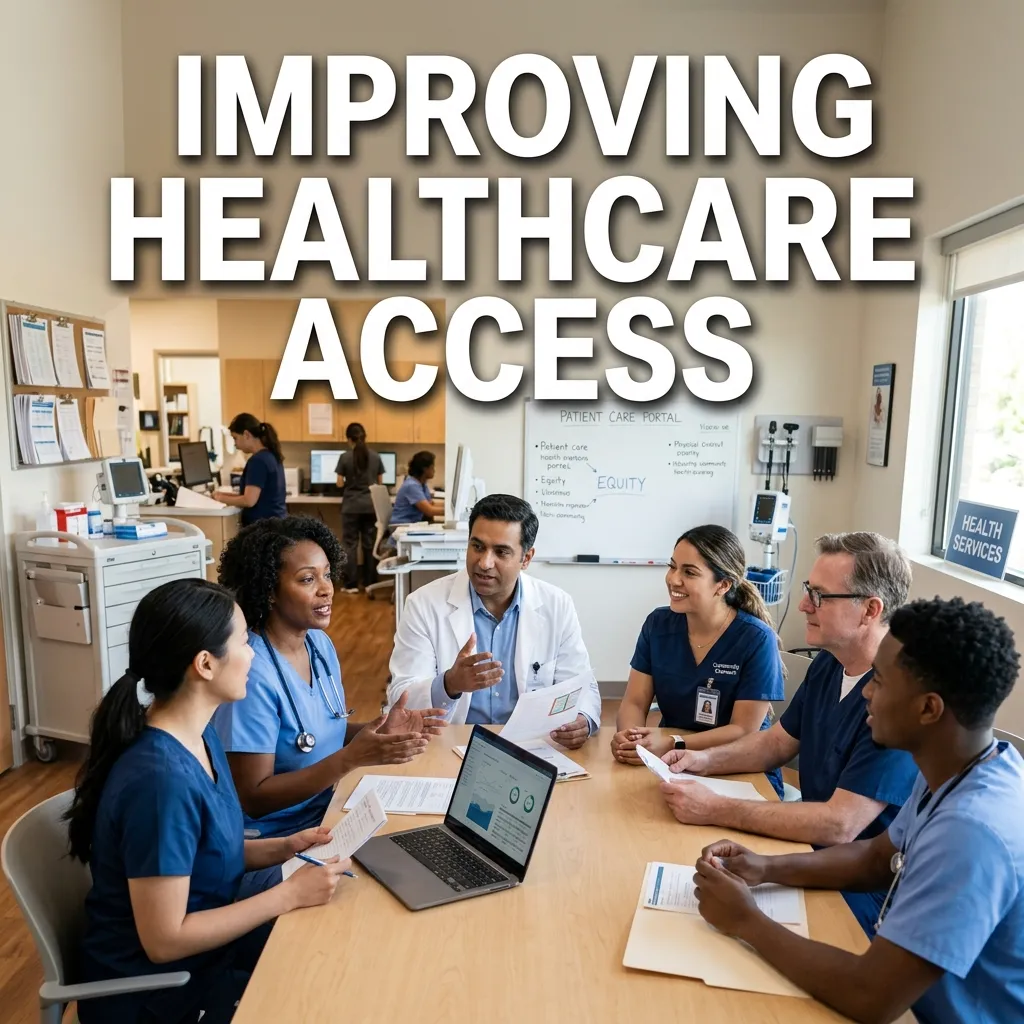 One of the main goals of global health organizations is to improve access to healthcare services for all people. Many regions still lack basic medical facilities, trained professionals, and essential medicines. Organizations such as UNICEF and the World Bank invest in building hospitals, training healthcare workers, and supplying medical equipment. They also support rural healthcare programs and mobile clinics. These initiatives ensure that even remote communities receive essential care. Financial assistance programs help low-income families afford treatment. By reducing barriers like cost and distance, global health organizations make healthcare more inclusive and equitable. Their efforts directly contribute to reducing global health inequalities and improving overall quality of life.
Emergency Response and Epidemics
During health emergencies, global health organizations play a lifesaving role. They coordinate rapid responses to outbreaks, natural disasters, and humanitarian crises. The World Health Organization and Doctors Without Borders are often among the first responders in crises. They deploy medical teams, provide emergency supplies, and set up temporary treatment centers. During epidemics like Ebola and COVID-19, these organizations helped contain the spread and supported overwhelmed healthcare systems. Their ability to mobilize resources quickly is crucial in saving lives. They also collaborate with governments to implement safety protocols and distribute vaccines. Emergency response efforts ensure that affected populations receive immediate care and support during critical times.
Maternal and Child Health
Maternal and child health is a priority area for global health organizations. They focus on reducing infant mortality, improving maternal care, and ensuring safe childbirth practices. UNICEF and the World Health Organization run programs that provide prenatal care, nutrition support, and vaccination for children. They also educate mothers about safe pregnancy practices and newborn care. These initiatives are especially important in developing countries where healthcare access is limited. By improving maternal health services, they help reduce complications during childbirth. Child nutrition programs also combat malnutrition and stunted growth. These efforts ensure healthier future generations and contribute to long-term social and economic development.
Funding and Global Partnerships
 Funding and collaboration are essential for the success of global health organizations. They rely on governments, private donors, and international agencies for financial support. Institutions like the World Bank provide large-scale funding for healthcare infrastructure projects. Partnerships with NGOs, research institutions, and pharmaceutical companies also strengthen their impact. Collaborative efforts allow resource sharing, knowledge exchange, and faster implementation of health programs. These organizations work together to achieve global health goals such as universal healthcare and disease eradication. Transparent funding systems ensure accountability and efficient use of resources. Without these partnerships, many health initiatives would not reach the communities that need them most.
Global Health Organizations and Sustainable Development Goals (SDGs)
Global health organizations play a key role in achieving the Sustainable Development Goals (SDGs), especially those related to health and well-being. They work to reduce child mortality, improve maternal health, and fight infectious diseases. By collaborating with governments and international partners, they help create stronger healthcare systems that support long-term development. Their efforts ensure that healthcare is not only accessible but also sustainable for future generations. Programs focused on nutrition, clean water, and vaccination directly contribute to healthier communities. These organizations also monitor progress and guide to ensure global health targets are met effectively.
Key Points
- Supports SDG 3: Good Health and Well-being
- Reduces child and maternal mortality rates
- Promotes vaccination and disease prevention
- Improves access to clean water and nutrition
- Strengthens long-term healthcare sustainability
| SDG Goal | Health Focus Area | Organization Involved |
|---|---|---|
| SDG 3 | Good Health & Well-being | WHO, UNICEF |
| SDG 2 | Zero Hunger (Nutrition) | FAO, UNICEF |
| SDG 6 | Clean Water & Sanitation | World Bank, WHO |
| SDG 1 | No Poverty (Health Access) | World Bank, UNDP |
Research and Innovation
Research and innovation are key pillars of global health organizations. They invest heavily in medical research to develop new treatments, vaccines, and diagnostic tools. The World Health Organization supports global research initiatives that address emerging diseases and health challenges. Innovation in technology, such as digital health tools and telemedicine, has improved healthcare delivery worldwide. These organizations also collaborate with universities and laboratories to study disease patterns and develop solutions. Research findings help shape global health policies and improve treatment standards. Innovation ensures that healthcare systems become more efficient, accessible, and effective. Continuous research is essential for staying ahead of evolving health threats and improving global health outcomes.
Health Education and Awareness

Challenges Faced by Global Health Organizations
Despite their success, global health organizations face many challenges. Limited funding, political instability, and unequal resource distribution often hinder their work. In some regions, poor infrastructure makes healthcare delivery difficult. Resistance to vaccination and misinformation also creates barriers to public health efforts. Organizations like the World Health Organization work continuously to overcome these issues through education and collaboration. Climate change and population growth further increase global health risks. Addressing these challenges requires coordinated international action and stronger health systems. Even with obstacles, global health organizations remain committed to improving health outcomes and reducing inequalities worldwide.
Digital Transformation in Global Health Organizations
Digital technology is rapidly changing how global health organizations deliver healthcare services worldwide. From telemedicine to data analytics, technology helps improve efficiency, accuracy, and accessibility. Organizations like the World Health Organization are increasingly using digital tools to track diseases, predict outbreaks, and manage health data in real time. This transformation allows faster decision-making and better coordination between countries. Digital health platforms also help reach remote populations who previously had limited access to medical care. As technology continues to evolve, it is becoming a powerful tool in strengthening global healthcare systems and improving overall health outcomes.
Key Points
- Improves disease tracking and early outbreak detection
- Expands healthcare access through telemedicine services
- Enhances data collection and health decision-making
- Supports remote and underserved communities
- Strengthens global communication and coordination
| Tool/Technology | Purpose | Impact on Healthcare |
|---|---|---|
| Telemedicine | Remote consultations | Improves rural healthcare access |
| AI Analytics | Disease prediction | Early outbreak detection |
| Health Apps | Patient monitoring | Better self-care management |
| Digital Records | Data storage & sharing | Faster medical decisions |
Future of Global Health Organizations
The future of global health organizations is focused on innovation, digital transformation, and stronger global cooperation. Advances in artificial intelligence, telemedicine, and data analytics will improve healthcare delivery. Organizations like the World Health Organization are already integrating digital tools into global health strategies. Climate-resilient health systems and pandemic preparedness will become top priorities. There is also a growing focus on mental health and non-communicable diseases. Strengthening partnerships between countries will be essential for future success. As global challenges evolve, these organizations will continue to adapt and lead efforts toward healthier, more equitable societies.
Conclusion
Global health organizations are essential in building a healthier and more equitable world. They address critical issues such as disease prevention, healthcare access, emergency response, and health education. Through collaboration, innovation, and funding support, they continue to improve global health outcomes. Despite challenges, their impact remains significant across all regions. As healthcare needs evolve, their role will become even more important in ensuring a safer and healthier future for everyone.
