

Understanding Healthcare Network Design
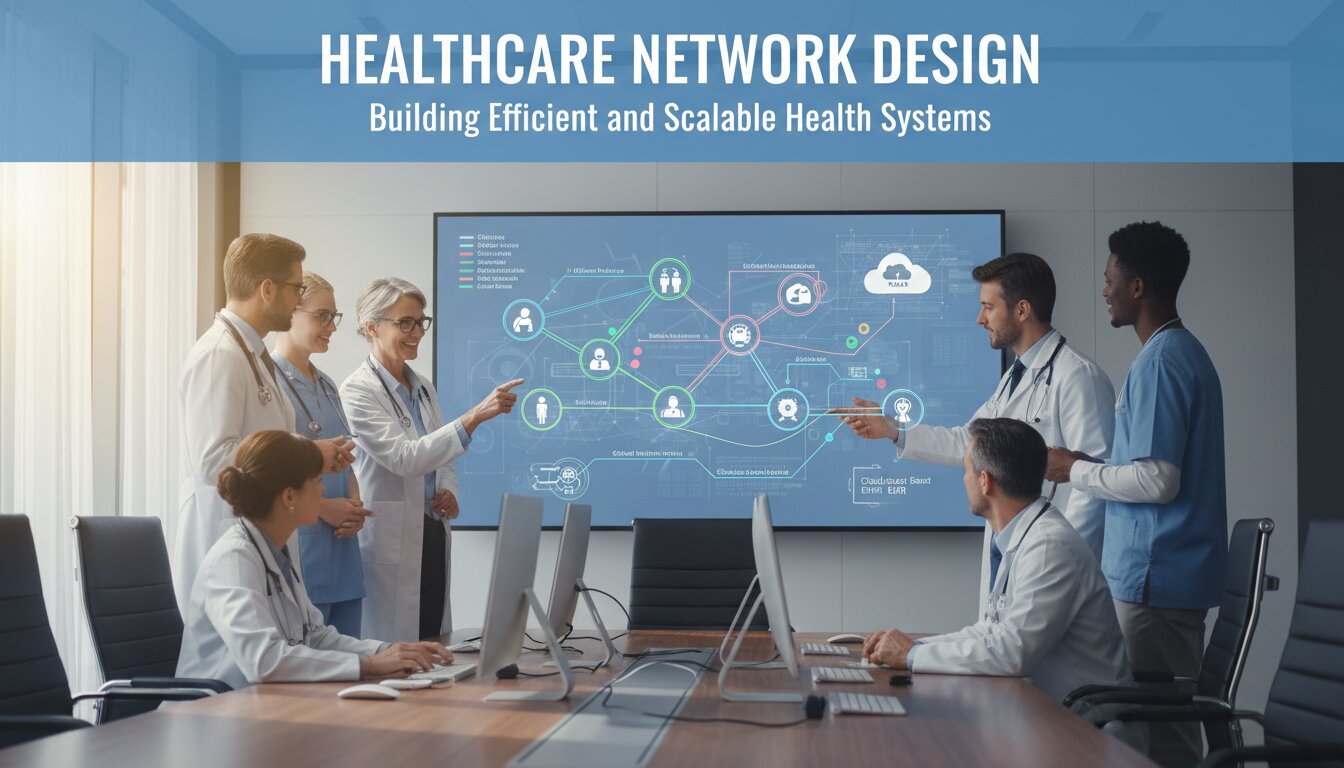
Healthcare network design refers to the structured planning of healthcare services, facilities, and communication systems to ensure seamless patient care. It focuses on how hospitals, clinics, labs, and digital platforms are connected within a unified system. The main goal of healthcare network design is to improve coordination between providers and ensure efficient use of resources. It also helps reduce service duplication and improve patient referral systems. A strong network design ensures that patients are guided smoothly through different levels of care without delays. In modern healthcare systems, this design also includes digital integration, allowing data sharing and real-time communication. Overall, it creates a connected ecosystem that improves healthcare delivery efficiency and patient outcomes.
Importance of Healthcare Network Design
Healthcare network design plays a crucial role in improving the quality and efficiency of medical services. It ensures that healthcare facilities operate in a coordinated and structured manner. One of the key benefits of healthcare network design is improved patient access to care, especially in emergencies. It also helps reduce operational costs by eliminating unnecessary duplication of services. Efficient design improves communication between healthcare professionals, leading to better diagnosis and treatment decisions. Additionally, it enhances resource allocation, ensuring that medical staff and equipment are used effectively. In today’s digital healthcare environment, strong network design supports data-driven decisions and improves patient satisfaction. Overall, it is essential for building reliable and scalable healthcare systems.
Key Components of Healthcare Network Design
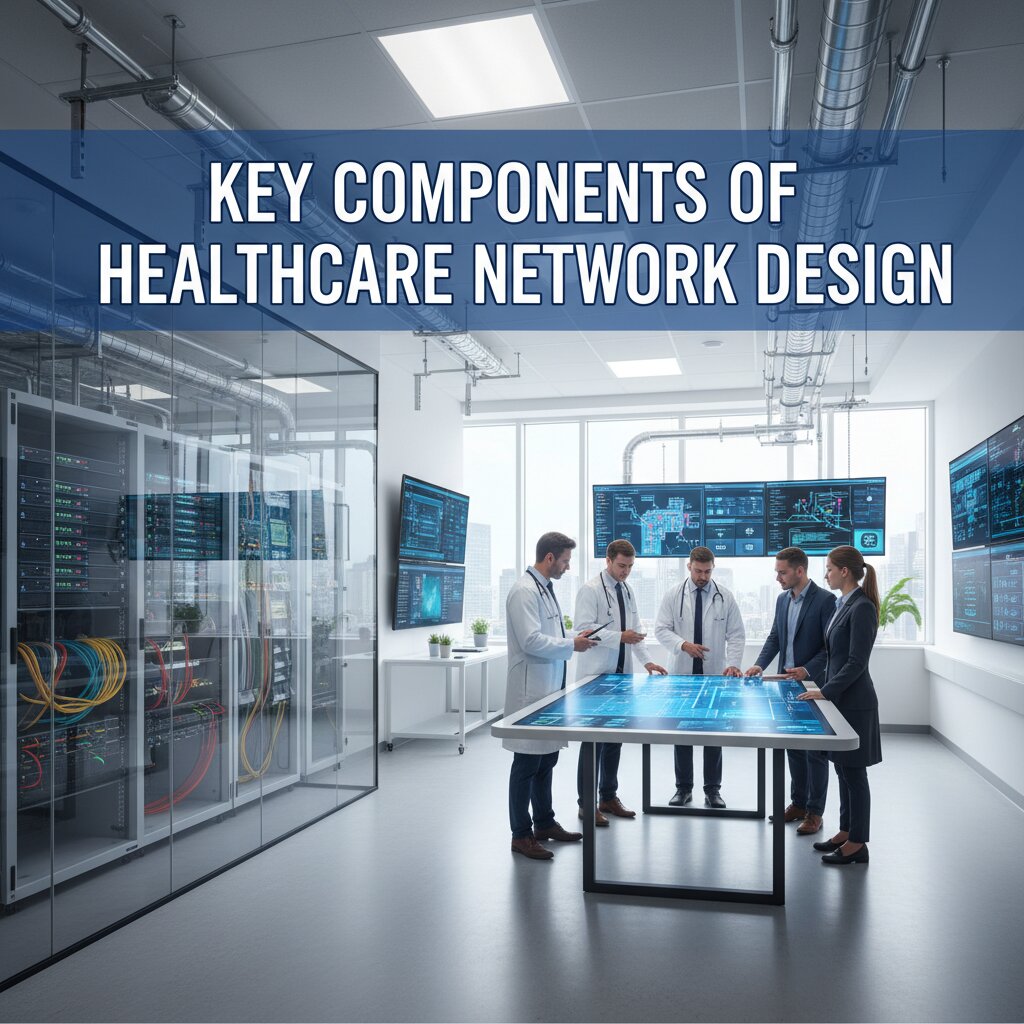 The main components of healthcare network design include healthcare facilities, communication systems, data infrastructure, and care coordination processes. Facilities such as hospitals, clinics, and diagnostic centers form the physical backbone of the system. Communication systems ensure smooth interaction between healthcare providers and patients. Data infrastructure plays a vital role in storing and sharing patient records securely. Care coordination processes help manage patient flow across different levels of care. Together, these components create an integrated system that improves efficiency and service quality. A well-planned healthcare network design ensures that each component works together seamlessly. This integration reduces errors, improves decision-making, and enhances patient care delivery across the entire healthcare system.
Role of Technology in Healthcare Network Design
Technology is a key driver in modern healthcare network design. Digital tools such as electronic health records (EHR), telemedicine platforms, and AI-based analytics help improve coordination and efficiency. These technologies allow healthcare providers to share patient information instantly, reducing delays and improving treatment accuracy. Telemedicine also expands access to healthcare services in remote areas. Data analytics supports better decision-making by identifying trends and predicting patient needs. Cloud-based systems ensure secure and scalable data storage. By integrating technology into healthcare network design, organizations can create smarter, faster, and more patient-centered systems. This leads to improved healthcare outcomes and a more efficient use of resources across the entire network.
Challenges in Healthcare Network Design
Despite its benefits, healthcare network design faces several challenges. One major issue is the lack of standardized systems across different healthcare providers, which can lead to communication gaps. Data security and privacy concerns also play a significant role, especially when handling sensitive patient information. Another challenge is the high cost of implementing advanced digital infrastructure. Resistance to change among healthcare staff can also slow down the adoption of new systems. In addition, managing large and complex networks requires strong leadership and coordination. Addressing these challenges is essential for building an effective healthcare network design. With proper planning, training, and investment in technology, these obstacles can be reduced significantly.
Patient-Centered Approach in Network Design
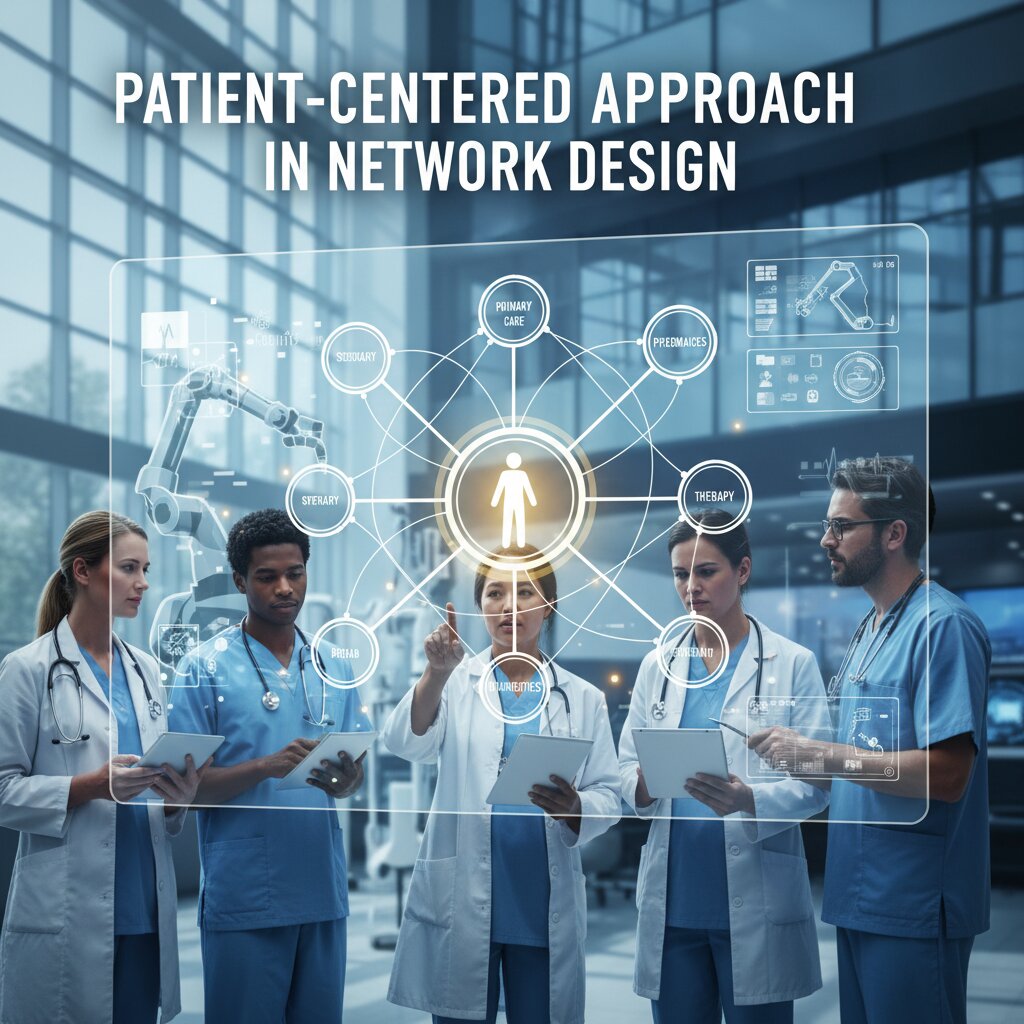 A patient-centered approach is a key focus in healthcare network design. It ensures that all systems and processes are built around patient needs and experiences. This approach improves access to care, reduces waiting times, and enhances overall satisfaction. By focusing on patients, healthcare providers can design more efficient referral systems and personalized treatment plans. Communication between doctors, specialists, and patients becomes more transparent and effective. Patient-centered healthcare network design also encourages the use of digital tools that allow patients to access their health records and book appointments easily. This approach not only improves care quality but also builds trust between patients and healthcare providers, leading to better long-term health outcomes.
Benefits of Healthcare Network Design
Key Benefits
- Improves patient access to healthcare services
- Enhances coordination between medical professionals
- Reduces operational and administrative costs
- Supports faster diagnosis and treatment decisions
- Increases efficiency in resource allocation
- Strengthens communication across healthcare facilities
| Benefit Area | Impact on the Healthcare System | Outcome |
|---|---|---|
| Patient Access | Easier and faster service availability | Improved satisfaction |
| Coordination | Better communication between providers | Reduced errors |
| Cost Efficiency | Lower operational expenses | Sustainable system |
| Technology Use | Integrated digital tools | Faster decision-making |
| Resource Management | Optimized use of staff and equipment | Higher efficiency |
Scalability in Healthcare Network Design
Scalability is an important aspect of healthcare network design, allowing systems to grow and adapt to increasing demand. A scalable healthcare network can handle more patients, expand services, and integrate new technologies without losing efficiency. This is especially important in growing populations and during health crises. Scalable design ensures that healthcare facilities can be added to or upgraded easily. It also supports flexible resource management, helping organizations respond quickly to changing needs. Cloud-based systems and modular infrastructure play a key role in achieving scalability. By focusing on scalable healthcare network design, organizations can build systems that remain efficient and effective even as demand increases over time.
Data Integration and Security

Data integration is a critical part of healthcare network design, ensuring that patient information is shared accurately across systems. Integrated data systems allow healthcare providers to access complete patient histories, improving diagnosis and treatment decisions. However, maintaining data security is equally important. Healthcare organizations must use strong encryption, secure servers, and strict access controls to protect sensitive information. Compliance with healthcare regulations also ensures data safety. Effective healthcare network design balances accessibility and security to create a reliable system. When data is properly integrated and protected, it improves efficiency, reduces medical errors, and enhances patient trust in the healthcare system.
Future Trends in Healthcare Network Design
The future of healthcare network design is driven by innovation and digital transformation. Artificial intelligence, machine learning, and predictive analytics are expected to play a major role in improving healthcare efficiency. Telehealth and remote monitoring will continue to expand access to care. Blockchain technology may enhance data security and transparency. In addition, personalized medicine will become more common, supported by advanced data analysis. Healthcare network design will also focus more on sustainability and patient engagement. As technology evolves, healthcare systems will become more connected, efficient, and patient-focused. These future trends will shape how healthcare organizations design and manage their networks for better outcomes.
