
Understanding Online Health Communities
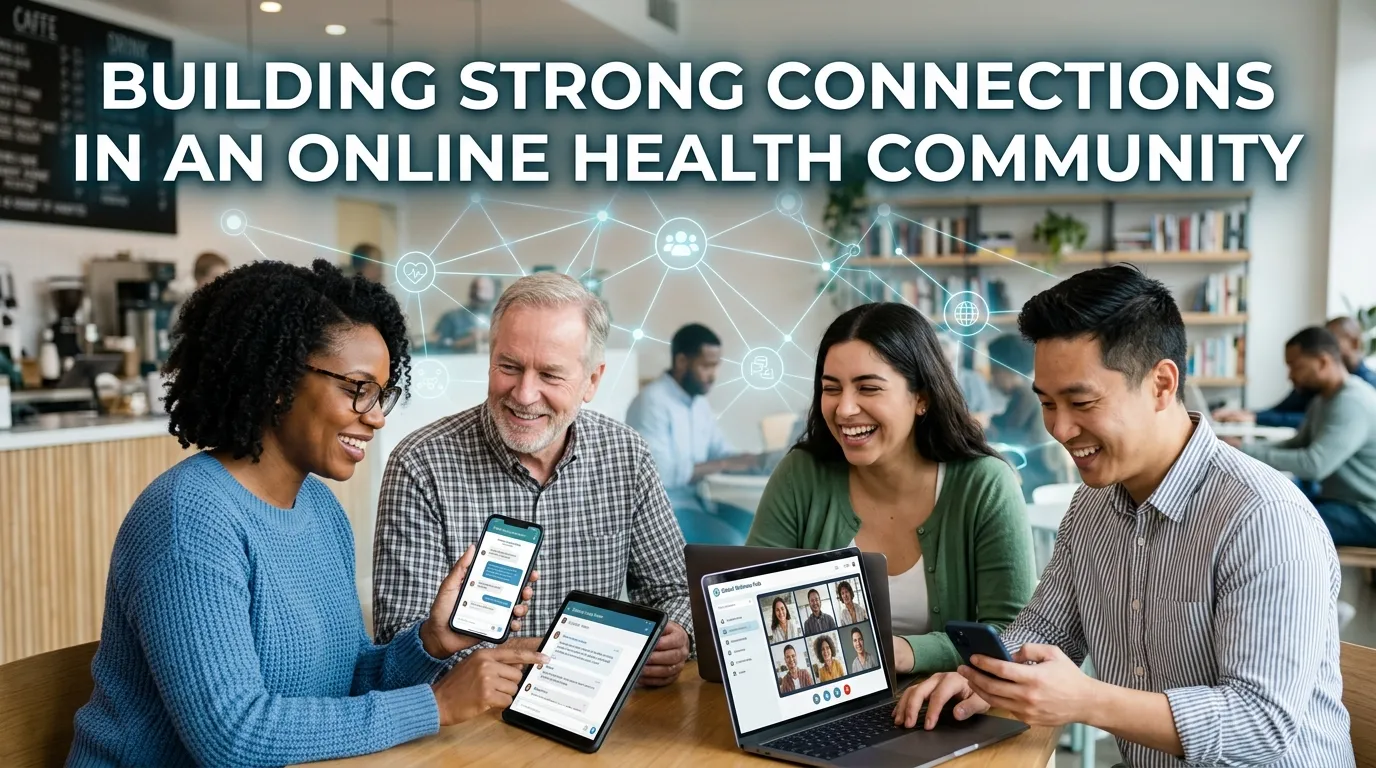
An online health community is a digital platform where individuals connect to discuss health-related topics, share personal experiences, and support each other. These communities may focus on specific conditions like diabetes, mental health, or general wellness. The main goal is to create a supportive environment where people can learn and grow together. Members often include patients, caregivers, and healthcare professionals. Unlike traditional healthcare systems, an online health community offers 24/7 accessibility and peer-to-peer communication. This makes it easier for individuals to seek help anytime they need it. It also helps reduce stress and confusion by providing shared knowledge. Overall, these platforms empower users to take control of their health in a more informed and connected way.
Importance of Digital Health Support
Digital health support has become essential in modern healthcare systems. An online health community provides emotional reassurance and practical guidance to individuals dealing with health concerns. Many people feel more comfortable discussing sensitive health issues online rather than in person. These platforms also bridge the gap between patients and medical knowledge, making healthcare more understandable. Users can learn from real-life experiences and avoid misinformation by engaging in trusted discussions. The importance of such communities lies in their ability to reduce loneliness, improve awareness, and encourage healthy habits. In addition, they promote early action by helping users recognize symptoms and seek timely medical attention. This makes digital health support a valuable part of overall wellness management.
Building Trust Among Members
 Trust is the foundation of any successful online health community. Without trust, users may hesitate to share personal experiences or seek help. Building trust requires transparency, moderation, and accurate information sharing. Communities often include verified experts or moderators who ensure that discussions remain safe and reliable. When members feel secure, they are more likely to participate actively and openly. Trust also grows when users consistently receive helpful responses and emotional support. Over time, this creates a strong sense of belonging. An online health community that prioritizes trust encourages long-term engagement and stronger relationships among members. This trust-based environment plays a key role in improving both mental well-being and overall user satisfaction.
Emotional Support and Mental Wellness
One of the biggest benefits of an online health community is emotional support. Many individuals dealing with chronic illness, anxiety, or recovery often feel isolated. These platforms provide a space where they can express feelings and receive encouragement from others who understand their situation. Emotional support plays a major role in mental wellness, helping reduce stress and depression. Members often share motivational stories, coping strategies, and positive experiences. This creates a healing environment where users feel valued and heard. In an online health community, emotional connection is just as important as medical advice. It helps users stay motivated and maintain a positive outlook toward their health journey, improving both emotional resilience and quality of life.
Sharing Medical Knowledge Safely
Sharing medical knowledge is a key feature of any online health community, but it must be done responsibly. Users often exchange information about symptoms, treatments, and lifestyle changes. However, it is important to ensure that shared content is accurate and does not replace professional medical advice. Many communities include guidelines and expert moderation to maintain safety. Verified healthcare professionals may also participate to guide discussions. This balance helps users gain useful insights while avoiding misinformation. An online health community becomes more valuable when knowledge sharing is structured and reliable. It empowers individuals to make informed decisions about their health while still consulting doctors for proper diagnosis and treatment.
Role of Healthcare Professionals
 Healthcare professionals play an important role in an online health community by providing expert guidance and answering user questions. Their presence increases credibility and ensures that information shared within the community is accurate. Doctors, nurses, and therapists often contribute by offering advice, clarifying doubts, and sharing preventive care tips. This interaction helps bridge the gap between professional healthcare and everyday users. In an online health community, professionals also help identify misinformation and guide members toward safe health practices. Their involvement builds trust and encourages users to engage more confidently. Overall, healthcare professionals enhance the quality and reliability of these platforms, making them more effective for public health education and support.
Encouraging Active Participation
Active participation is essential for the success of an online health community. When members engage regularly, the community becomes more vibrant and helpful. Participation includes asking questions, sharing experiences, and supporting others. This interaction creates a sense of belonging and mutual support. Many platforms use features like discussion forums, chat groups, and Q&A sections to encourage engagement. The more users contribute, the more valuable the community becomes. In an online health community, active participation also helps spread awareness and improve collective knowledge. It transforms passive users into active contributors who help others on their health journeys. This shared involvement strengthens community bonds and enhances overall user satisfaction.
Benefits of Online Health Community Engagement
Active engagement in an online health community provides numerous benefits for individuals seeking better health understanding and emotional support. It creates a space where users can openly discuss health concerns, learn from shared experiences, and receive encouragement from others. This sense of connection helps reduce stress and builds confidence in managing health conditions. An online health community also improves awareness by allowing members to access reliable discussions and expert insights. Over time, consistent participation leads to better decision-making and healthier lifestyle choices. It also strengthens emotional resilience by helping users feel understood and supported throughout their health journey.
Key Points:
- Improves emotional well-being
- Encourages knowledge sharing
- Reduces feelings of isolation
- Supports better health decisions
- Builds confidence in self-care
| Area of Impact | Benefit | Outcome |
|---|---|---|
| Emotional Health | Peer support | Reduced stress |
| Knowledge | Shared experiences | Better awareness |
| Lifestyle | Health tips | Improved habits |
| Confidence | Community support | Stronger decision-making |
Technology Behind Online Health Platforms
 Technology is the backbone of every online health community. Advanced platforms use secure databases, AI-driven recommendations, and user-friendly interfaces to improve the experience. Mobile apps and websites make it easy for users to access information anytime. Features like chat systems, video consultations, and forums enhance communication between members. Data security is also a priority to protect user privacy and sensitive health information. An online health community relies on technology to connect thousands of users worldwide in real time. This digital infrastructure ensures smooth communication, fast information sharing, and reliable access to health resources. As technology continues to evolve, these platforms will become even more advanced and user-friendly.
Challenges in Online Health Communities
Despite many benefits, an online health community also faces challenges. One major issue is misinformation, where unverified health advice can spread quickly. Another challenge is maintaining user privacy and data security. Some users may also misinterpret medical discussions without professional guidance. Managing large communities requires strict moderation and clear guidelines. Emotional dependency on online advice can also become a concern if users avoid consulting doctors. However, these challenges can be managed through proper regulation, expert involvement, and user education. An online health community must continuously improve its safety measures to ensure a trustworthy and supportive environment for all members.
Future of Online Health Communities
The future of the online health community is highly promising as digital healthcare continues to expand. With advancements in AI, telemedicine, and wearable technology, these platforms will become more personalized and efficient. Users will receive tailored health insights based on their conditions and habits. Virtual consultations and real-time monitoring will also improve healthcare accessibility. An online health community will likely become a central part of global healthcare systems, connecting patients and professionals seamlessly. As awareness increases, more people will rely on these communities for support and guidance. This evolution will make healthcare more inclusive, preventive, and patient-focused in the coming years.
