Healthcare network management improves coordination between healthcare providers, enhances data sharing, and boosts patient care efficiency. It reduces errors, lowers costs, and supports technology-driven healthcare systems for better communication, faster decisions, and improved overall medical services.
Healthcare network management is a structured system that connects hospitals, clinics, laboratories, and other healthcare providers into a unified digital network. It enables secure data sharing, improves communication, and enhances coordination across medical services. This system plays a key role in improving patient care, reducing errors, and increasing operational efficiency. By integrating modern technologies, it ensures faster decision-making and better resource management, making healthcare delivery more effective, reliable, and patient-focused in today’s digital era.
Understanding Healthcare Network Management Systems
Healthcare network management systems are designed to connect different healthcare entities into a unified digital ecosystem, ensuring hospitals, clinics, labs, and pharmacies can securely share patient data. By using healthcare network management, organizations reduce communication gaps, improve treatment accuracy, and enable real-time monitoring of resources, patient records, and workflows. This integration is essential in modern healthcare because it reduces medical errors, improves response time, and supports better coordination among healthcare providers. With advanced digital tools, healthcare professionals can deliver more efficient care, ensuring patients receive timely and accurate services. Overall, these systems form the foundation of a connected healthcare structure that improves collaboration and decision-making.
Importance of Healthcare Network Management in Modern Care
The importance of healthcare systems has increased due to rising patient demands and more complex medical processes. Efficient coordination helps ensure faster, safer, and more accurate healthcare delivery while improving communication between departments and reducing treatment delays. By implementing healthcare network management, organizations can enhance patient satisfaction, lower operational costs, and improve data accessibility for quicker clinical decisions. In emergencies, instant access to patient history can be life-saving and significantly improve outcomes. It also supports better resource allocation and reduces unnecessary duplication of medical tests. As healthcare continues to expand globally, structured systems are becoming essential for maintaining quality standards, improving efficiency, and ensuring smooth coordination across all healthcare services, providers, and facilities involved in patient care.
Key Components of Healthcare Network Management Systems
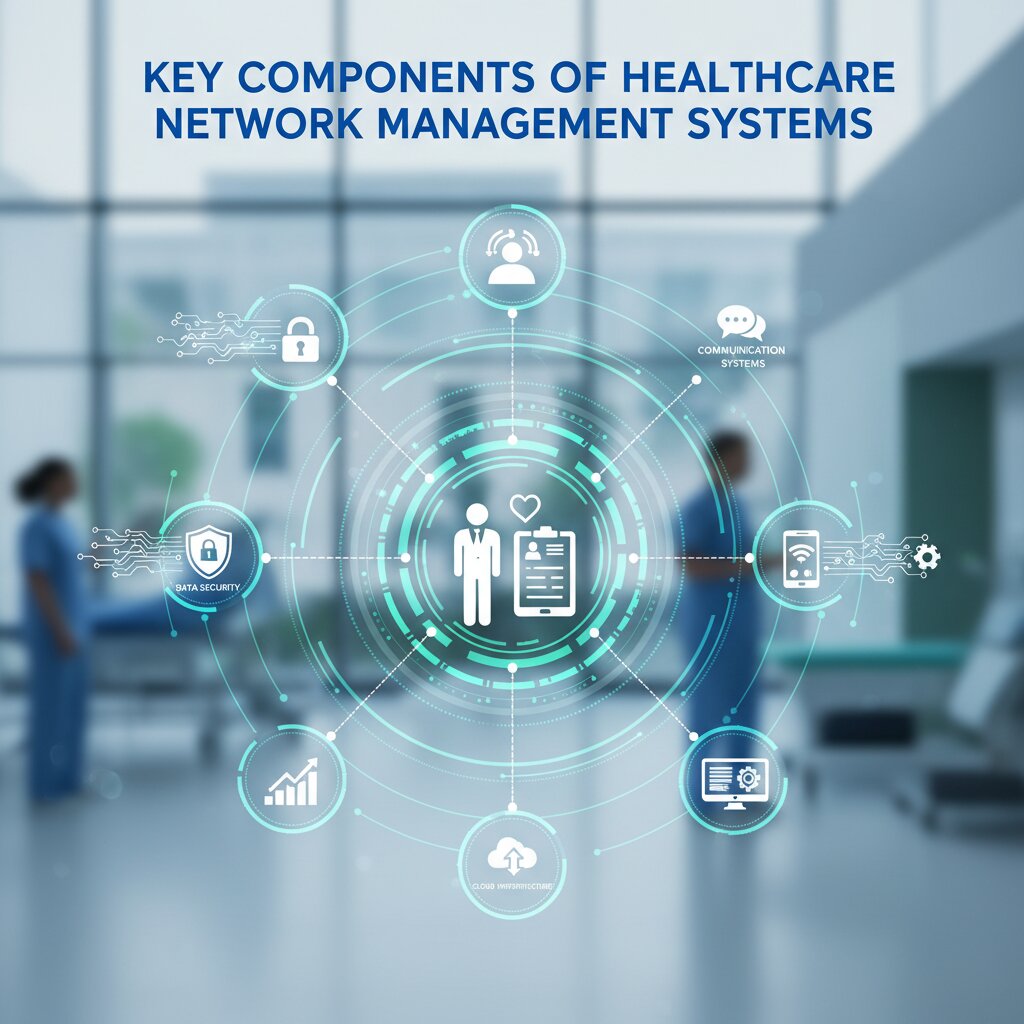 These systems consist of several integrated components, such as data integration platforms, communication tools, security frameworks, and analytics systems that work together to improve healthcare efficiency. Data integration enables real-time access to patient information across departments, helping medical staff make faster and more accurate decisions. Communication tools enhance collaboration between doctors, nurses, pharmacists, and administrative teams, ensuring smooth coordination of care. Security frameworks safeguard sensitive patient data from cyber threats and unauthorized access, maintaining privacy and compliance. Analytics tools evaluate performance, track resources, and support data-driven decisions. Together, these components strengthen healthcare network management, making it more reliable, efficient, scalable, and capable of delivering higher-quality patient care through structured processes and advanced digital technologies.
Role of Technology in Healthcare Network Management
Technology plays a vital role in transforming healthcare operations by improving efficiency, accuracy, and accessibility across medical services. Cloud computing allows secure data storage and enables remote access to patient information whenever needed. Artificial intelligence supports faster diagnosis, predicts patient needs, and enhances clinical decision-making. Electronic health records keep patient data updated, organized, and easily accessible to authorized healthcare professionals. These technological advancements reduce manual workload, minimize human errors, and improve operational speed. They also strengthen real-time communication between doctors, nurses, and other providers, ensuring better coordination. As digital transformation continues, healthcare systems are becoming more intelligent, connected, and patient-focused, ultimately delivering higher-quality care and improved health outcomes for individuals and communities.
Benefits of Efficient Healthcare Network Management
Efficient healthcare systems provide significant benefits for both providers and patients by improving coordination, reducing administrative workload, and enhancing treatment outcomes. Faster access to medical records allows healthcare professionals to make quicker and more accurate diagnoses, leading to better clinical decisions. It also helps reduce duplicate tests, improve resource utilization, and lower overall operational costs. Patient care becomes more streamlined with shorter waiting times and better communication between specialists. Strong data security measures ensure patient confidentiality and trust, while continuous performance monitoring helps identify gaps and improve service quality. Overall, healthcare network management creates a more organized, responsive, efficient, and patient-centered healthcare environment that supports better outcomes and long-term system effectiveness.
Challenges in Healthcare Network Management Systems
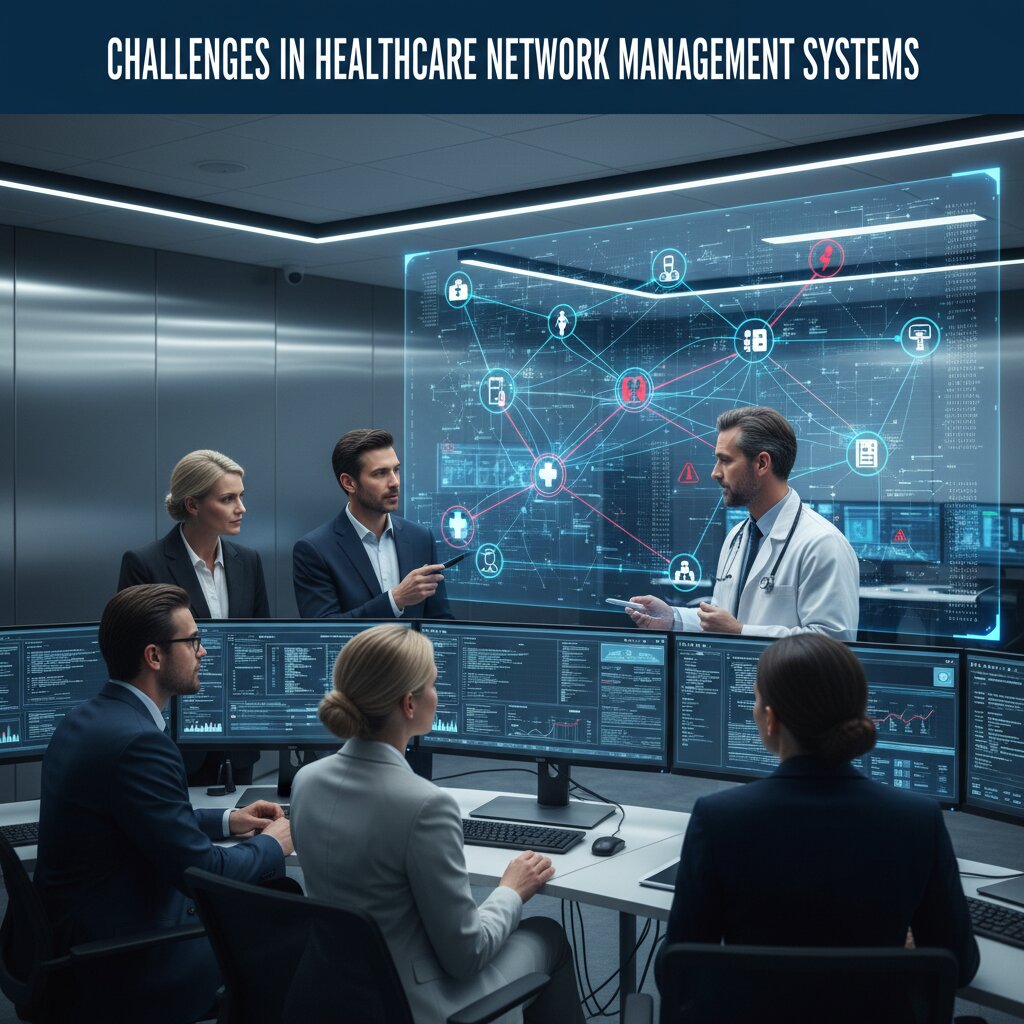 Despite its advantages, healthcare systems face several challenges, including data security risks, system integration difficulties, and high implementation costs. Many healthcare providers experience compatibility issues when different platforms fail to work together smoothly. Staff training is also essential to ensure proper use of digital tools and systems. In some organizations, resistance to technological change can slow down adoption and reduce efficiency. Maintaining consistent, accurate, and up-to-date data across multiple systems is another complex challenge. Additionally, limited technical expertise can create operational gaps. However, with proper planning, investment, and continuous training, these challenges can be effectively managed. Addressing them is crucial for building a secure, efficient, and reliable healthcare infrastructure that supports better patient care and long-term system stability.
Data Interoperability and System Integration in Healthcare
Smooth data interoperability is a key strength of modern healthcare systems, allowing different platforms to communicate and share information effectively. Through healthcare network management, hospitals, clinics, and labs can integrate their digital systems to ensure that patient records are accessible in real time. This reduces duplication of tests, improves diagnosis speed, and enhances coordination between departments. When systems work together seamlessly, healthcare providers can focus more on treatment rather than administrative delays. Integration also helps in tracking patient history across multiple facilities, ensuring continuity of care. Overall, strong interoperability improves efficiency and supports better clinical decision-making across the healthcare ecosystem.
Key Points
- Enables seamless data exchange between healthcare providers
- Reduces duplication of medical tests and reports
- Improves the speed and accuracy of diagnosis
- Enhances coordination between departments and facilities
- Supports continuous patient care across multiple locations
| Tool Type |
Purpose |
Benefit |
| EHR Systems |
Store patient records |
Easy access to medical history |
| Cloud Platforms |
Central data storage |
Remote accessibility & scalability |
| API Integration |
System connectivity |
Real-time data sharing |
| Data Analytics Tools |
Performance tracking |
Better decision-making |
Healthcare Network Management and Patient Experience
Healthcare network management directly improves patient experience by enhancing the quality, speed, and coordination of medical services. When systems are well-connected, patients no longer need to repeatedly share their medical history at every visit. Doctors can quickly access complete and accurate records, leading to better diagnoses and more effective treatment plans. Processes like appointment scheduling, test result sharing, and prescription management become more streamlined and convenient. This reduces waiting times and increases overall satisfaction. It also supports better follow-up care, especially for patients with chronic conditions who require continuous monitoring. With improved coordination among healthcare providers, patients feel more confident, supported, and valued. Ultimately, it creates a smoother, more efficient, and personalized healthcare journey for everyone involved.
Best Practices for Healthcare Network Management
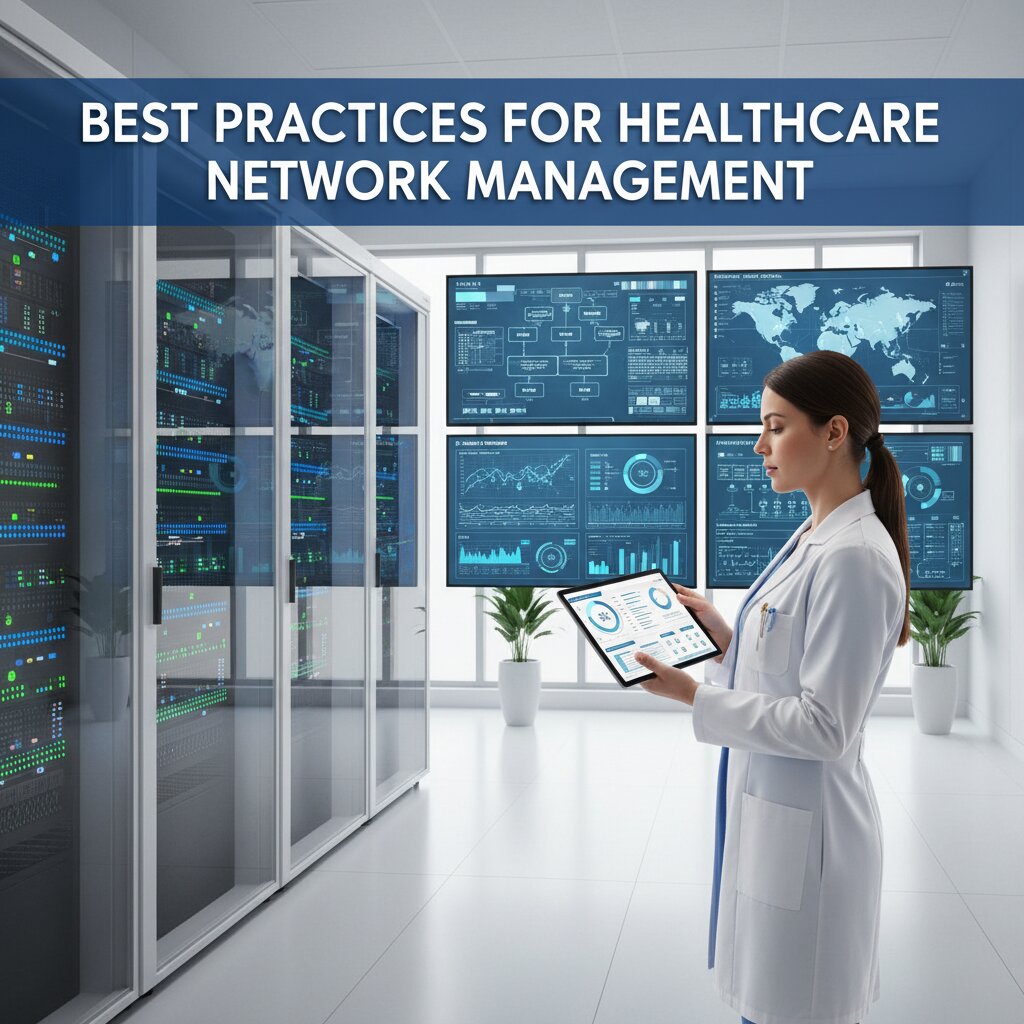 Implementing best practices in healthcare network management ensures long-term efficiency, reliability, and improved patient care. Organizations should focus on strong data security through encryption, authentication, and regular system updates to protect sensitive information. Standardizing data formats across departments improves communication and system integration. Continuous staff training helps healthcare professionals stay updated with evolving technologies. Regular performance monitoring and audits ensure consistent improvement and system stability. Investing in scalable infrastructure allows healthcare systems to expand smoothly without disruptions. Collaboration between IT teams and medical staff also enhances workflow efficiency. By following these practices, organizations can build a secure, efficient, and future-ready healthcare network management system.
Security, Compliance, and Risk Management
Security and compliance are essential parts of modern healthcare digital systems, especially when managing sensitive patient information. A strong healthcare network management framework ensures data protection through encryption, authentication, and strict access control measures. These systems help prevent unauthorized access and safeguard patient privacy. Healthcare organizations must also follow regulatory standards to avoid legal issues and maintain trust. Regular audits, monitoring tools, and advanced cybersecurity protocols reduce risks and prevent data breaches. As cyber threats continue to evolve, proactive security strategies are necessary. Effective risk management protects information while ensuring smooth, reliable, and uninterrupted healthcare operations across all connected systems and platforms.
Key Points
- Uses encryption and authentication for data protection
- Ensures compliance with healthcare regulations
- Prevents unauthorized access and cyber threats
- Regular audits improve system security
- Strengthens patient trust and data reliability
| Security Layer |
Function |
Importance |
| Encryption |
Protects data in transit/storage |
Prevents data theft |
| Access Control |
Limits user permissions |
Reduces unauthorized access |
| Authentication |
Verifies user identity |
Enhances system safety |
| Monitoring Systems |
Detects threats in real time |
Prevents security breaches |
Future Trends in Healthcare Network Management
The future of healthcare network management is expected to be highly digital, intelligent, and more connected than ever before. Emerging technologies such as artificial intelligence, machine learning, and blockchain will significantly improve system efficiency, security, and transparency. Predictive analytics will allow healthcare providers to identify risks early, anticipate patient needs, and prevent diseases before they become severe. Blockchain will enhance data protection and trust across networks, while telemedicine will expand access to remote consultations and care. Automation will reduce administrative workload, streamline operations, and improve overall speed. As healthcare evolves, these systems will become more patient-focused, data-driven, and globally integrated, transforming healthcare delivery worldwide.
Conclusion
Healthcare network management is becoming an essential part of modern healthcare systems. It connects providers, improves communication, and ensures better patient outcomes. With the increasing complexity of healthcare services, efficient network management helps organizations maintain quality, security, and operational efficiency. From technology integration to patient experience improvement, every aspect of healthcare benefits from a well-structured system. Although challenges exist, advancements in digital marketing tools are making healthcare network management more effective than ever. By adopting best practices and innovative technologies, healthcare organizations can build a stronger, more connected, and patient-focused future.
Frequently Asked Questions
1. What is healthcare network management?
Healthcare network management connects hospitals, clinics, and labs into one coordinated system. It improves communication, ensures secure data sharing, and supports collaboration among medical professionals. This reduces delays, improves treatment accuracy, and minimizes errors in healthcare delivery.
2. Why is healthcare network management important?
Healthcare network management improves coordination between providers and enhances service quality. It enables faster information sharing, better decision-making, reduced delays, and efficient resource use. This leads to improved patient care, stronger operations, and a more reliable healthcare system overall.
3. How does healthcare network management improve patient care?
Healthcare network management improves patient care by giving doctors quick access to complete medical records. It supports faster diagnosis, accurate treatment, fewer duplicate tests, and better communication between specialists, ensuring patients receive timely, efficient, and personalized healthcare services.
4. What technologies are used in healthcare network management?
Healthcare systems use cloud computing, electronic health records, artificial intelligence, and data analytics. These technologies securely store data, improve communication, and enable real-time access. They also enhance workflow efficiency, decision-making, and coordination between healthcare providers for better outcomes.
5. What are the challenges of healthcare network management?
Challenges include data security risks, system integration issues, high costs, and staff training needs. Compatibility between systems and maintaining accurate data across platforms can also be difficult. Proper planning and investment are required to overcome these operational challenges.
6. How does healthcare network management ensure data security?
Data security is ensured through encryption, secure access controls, authentication systems, and regular updates. These measures protect patient information from unauthorized access and cyber threats while maintaining compliance with healthcare regulations and ensuring safe data management.
7. Can small clinics use healthcare network management systems?
Yes, small clinics can use cloud-based systems that are affordable and scalable. These tools help manage patient records, improve communication, and connect with larger healthcare networks. They also reduce manual work and improve operational efficiency.
8. What is the role of AI in healthcare systems?
Artificial intelligence analyzes patient data, identifies patterns, and supports early diagnosis. It helps doctors make better decisions and automates tasks like scheduling and record management. This improves efficiency, reduces workload, and enhances healthcare performance.
9. How does healthcare network management reduce costs?
Cost reduction comes from improved efficiency, fewer duplicate tests, and better communication. It reduces paperwork, saves time, and prevents errors. Strong coordination and resource optimization help healthcare organizations lower expenses while maintaining high-quality care.
10. What is the future of healthcare network management?
The future includes AI, blockchain, and telemedicine integration. Remote care, predictive analytics, and automation will improve efficiency and accessibility. These advancements will make healthcare systems more connected, secure, and patient-focused worldwide.