


Understanding the Types of Diabetes is important because it helps people recognize how this condition affects blood sugar control in the body. Diabetes occurs when insulin is not produced properly or the body cannot use it effectively. The main Types of Diabetes include Type 1, Type 2, gestational diabetes, and prediabetes. Each type has different causes, symptoms, and risk factors. Learning about them supports early diagnosis, prevention, and better long-term health management.
Overview of Types of Diabetes
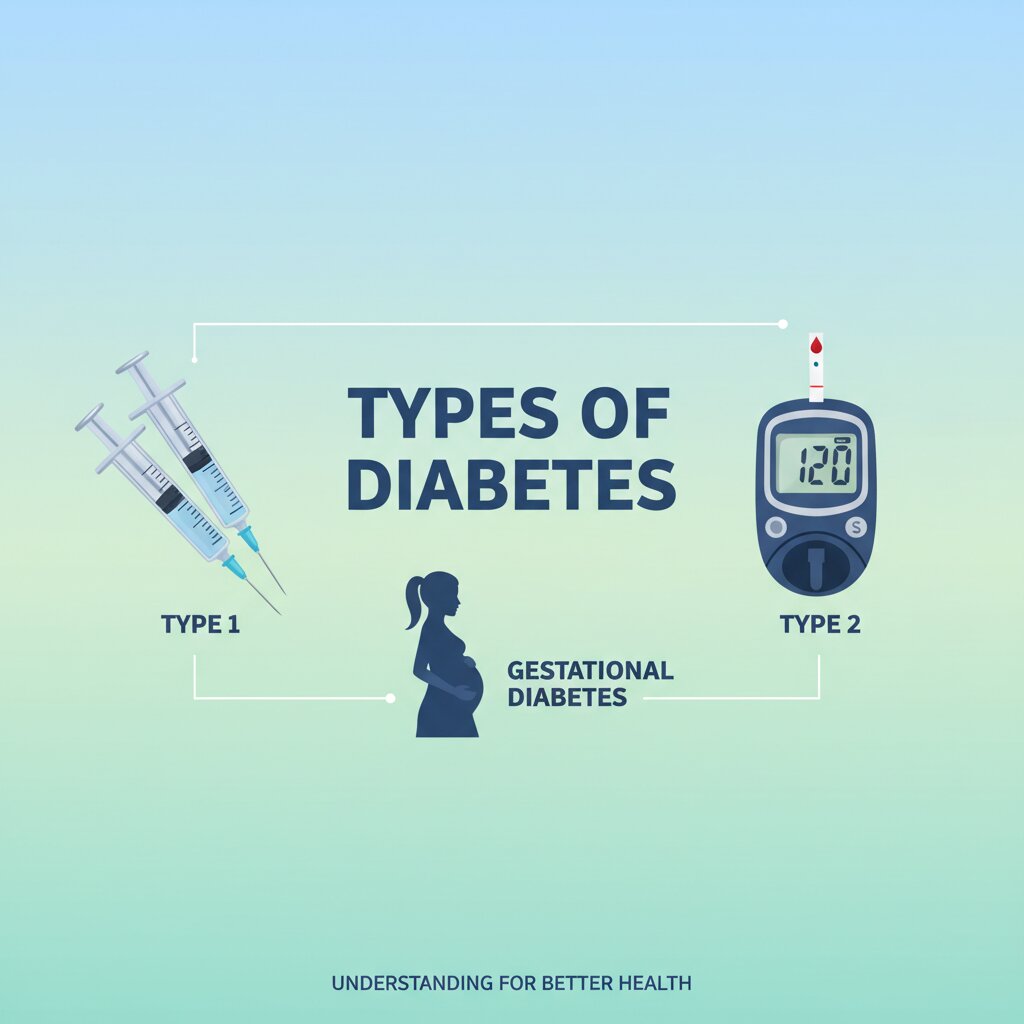 The Types of Diabetes are classified based on how the body produces or responds to insulin, a hormone that regulates blood sugar levels. When insulin function is disrupted, glucose builds up in the bloodstream, leading to diabetes. The main Types of Diabetes include Type 1, Type 2, gestational diabetes, and prediabetes. Each type has different causes, ranging from autoimmune reactions and genetic factors to lifestyle habits such as poor diet and lack of physical activity. Despite these differences, all result in elevated blood sugar if not managed properly. Understanding the Types of Diabetes is important for early diagnosis, prevention, and effective treatment.
Type 1 Diabetes
Type 2 Diabetes
Type 2 diabetes is the most common among all Types of Diabetes and develops when the body becomes resistant to insulin or fails to produce enough of it. It is strongly linked to lifestyle factors such as poor diet, obesity, inactivity, and chronic stress. Symptoms often develop slowly and may include fatigue, frequent urination, blurred vision, and slow-healing wounds, making early detection difficult. Because it progresses gradually, many people remain undiagnosed for years. However, Type 2 diabetes is often preventable and manageable through healthy lifestyle changes, including balanced nutrition, regular exercise, and weight control. In some cases, medication may be required. Early awareness of this type of diabetes plays a crucial role in reducing long-term health complications.
Gestational Diabetes
Gestational diabetes is a temporary condition among the Types of Diabetes that occurs during pregnancy due to hormonal changes affecting insulin effectiveness. It typically develops in the second or third trimester and often has no noticeable symptoms, which is why routine screening is important for pregnant women. If left unmanaged, it can increase risks for both mother and baby, including complications during delivery and a higher chance of developing Type 2 diabetes later in life. Fortunately, gestational diabetes usually resolves after childbirth. Management includes a healthy diet, regular physical activity, and blood sugar monitoring. In some cases, insulin may be required.
Prediabetes
Prediabetes is an early warning stage of Diabetes, where blood sugar levels are higher than normal but not yet high enough for a diabetes diagnosis. It often develops silently without clear symptoms, making it difficult to detect without medical testing. However, it serves as a critical signal that the body is starting to lose proper glucose control. Without intervention, prediabetes can progress into Type 2 diabetes over time. The positive aspect is that it is reversible with timely lifestyle changes such as weight management, healthy eating, increased physical activity, and stress reduction. Early detection is key in preventing progression. Understanding this stage within the Types of Diabetes helps individuals take preventive steps before serious health issues develop.
Causes of Diabetes
The causes of the Types of Diabetes differ depending on the condition, but all involve problems with insulin production or usage. Type 1 diabetes is caused by an autoimmune reaction where the body attacks insulin-producing cells. Type 2 diabetes is mainly caused by lifestyle factors such as unhealthy eating habits, obesity, lack of exercise, and stress. Gestational diabetes develops due to hormonal changes during pregnancy that affect insulin function. Prediabetes is often linked to similar lifestyle risks that lead to Type 2 diabetes. Genetic factors also increase susceptibility in many cases. Understanding the causes of the Types of Diabetes helps individuals identify risks early and adopt healthier habits to reduce the chances of developing long-term complications.
Symptoms of Diabetes
The symptoms of the Types of Diabetes often overlap but may vary in intensity depending on the type. Common signs include frequent urination, excessive thirst, increased hunger, fatigue, blurred vision, and slow wound healing. In Type 1 diabetes, symptoms usually appear suddenly and are more severe, while Type 2 diabetes develops gradually and may go unnoticed for years. Gestational diabetes typically shows no clear symptoms and is detected during routine pregnancy screening. Prediabetes also has no obvious symptoms, making regular testing important for early detection. Recognizing these warning signs of the Types of Diabetes is essential for timely diagnosis and treatment, which can prevent complications and improve long-term health outcomes significantly.
Complications of Types of Diabetes
If the Types of Diabetes are not properly managed, they can lead to serious short-term and long-term health complications. High blood sugar levels can damage blood vessels, nerves, and vital organs over time, increasing the risk of heart disease, kidney failure, vision problems, and nerve damage. Each type of diabetes carries its own risks, but uncontrolled glucose levels are the main cause of complications. Type 1 and Type 2 diabetes are especially linked to chronic health issues if treatment is ignored. Gestational diabetes can affect both mother and baby if not controlled. Understanding complications helps people take the Types of Diabetes seriously and follow proper medical advice for prevention and better health outcomes.
Key Points
- High blood sugar damages organs over time
- Increases risk of heart and kidney diseases
- Can lead to vision loss and nerve damage
- Affects pregnancy outcomes in gestational diabetes
- Proper management reduces complication risks
| Type of Diabetes | Possible Complications | Risk Level |
|---|---|---|
| Type 1 Diabetes | Kidney disease, eye damage | High |
| Type 2 Diabetes | Heart disease, nerve damage | Very High |
| Gestational Diabetes | Birth complications, future diabetes | Moderate |
| Prediabetes | Progression to Type 2 diabetes | High |
Risk Factors of Diabetes
Diagnosis and Management of Diabetes
The Types of Diabetes are diagnosed using blood tests such as fasting blood glucose, HbA1c, and oral glucose tolerance tests, which measure how effectively the body manages blood sugar levels. Once diagnosed, treatment depends on the type. Type 1 diabetes requires lifelong insulin therapy, while Type 2 diabetes can often be managed through lifestyle changes, medication, and sometimes insulin. Gestational diabetes is controlled through diet, exercise, and careful monitoring during pregnancy. Prediabetes can often be reversed with early lifestyle intervention. Regular check-ups, healthy eating, physical activity, and stress management are essential for all Types of Diabetes. Proper diagnosis and consistent management play a key role in preventing complications and improving long-term health outcomes.
Future of Types of Diabetes
The future of managing the Types of Diabetes is expected to improve significantly with advancements in medical science, technology, and lifestyle awareness. Researchers are developing better insulin delivery systems, continuous glucose monitoring devices, and even potential artificial pancreas technology to make diabetes management easier and more effective. Early detection tools using AI and digital health tracking will help identify risk factors before diabetes develops. In addition, personalized treatment plans based on genetics may improve outcomes for different Types of Diabetes. Public awareness about healthy lifestyles is also increasing, which can reduce future cases, especially Type 2 diabetes.
Conclusion
Understanding the Types of Diabetes helps in early detection, prevention, and better management of this long-term health condition. Each type has different causes and symptoms, but all involve problems with blood sugar regulation. With increasing cases worldwide, awareness is very important for reducing complications and improving the quality of life. Healthy lifestyle choices such as balanced nutrition, regular exercise, and routine medical check-ups can significantly reduce the risk. By learning about the Types of Diabetes, individuals can take control of their health and make informed decisions for a healthier future.
