

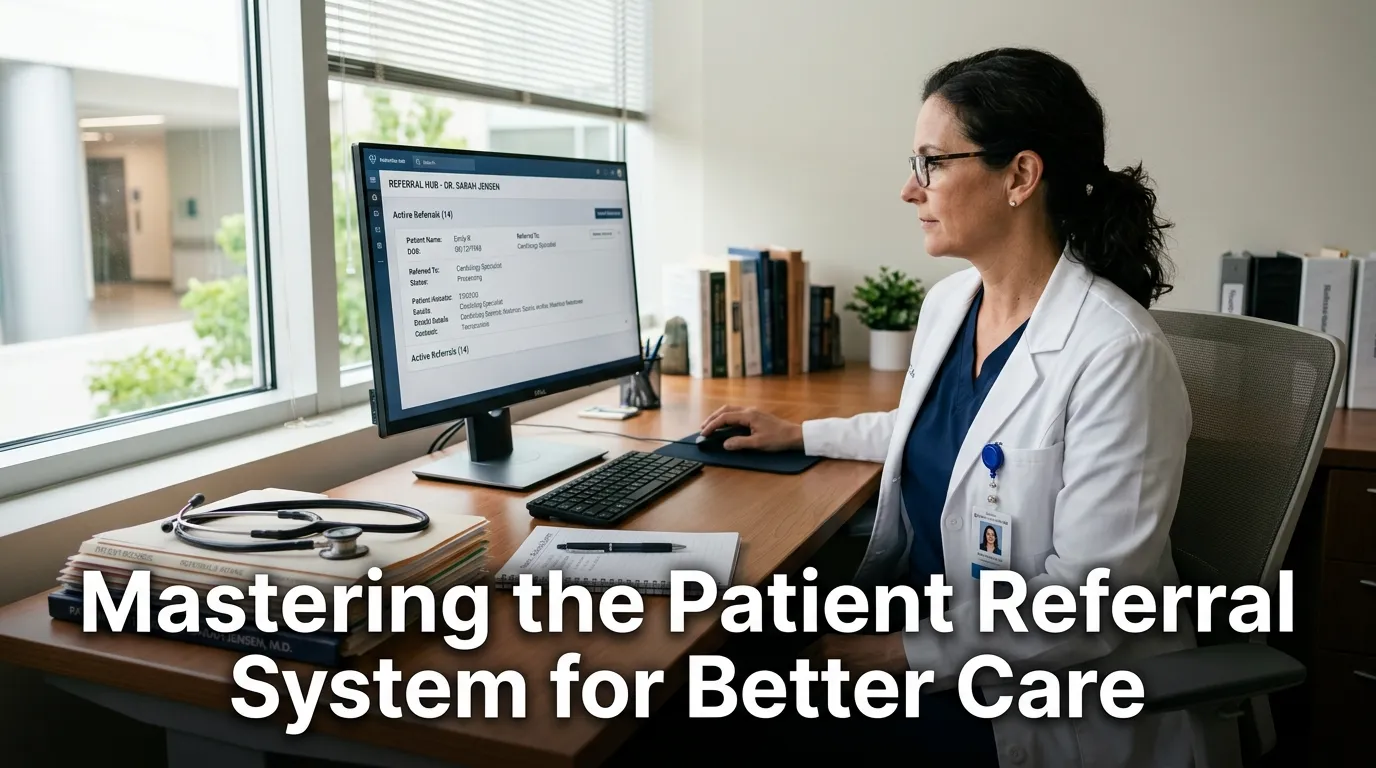
Are you struggling with delayed care transitions? Mastering the patient referral system is the key to unlocking seamless communication, reducing network leakage, and improving overall health outcomes.
This comprehensive guide explores how healthcare providers can build a highly efficient referral network. We cover the transition from manual workflows to advanced digital tools, outline strategies to avoid common mistakes, and provide expert tips to ensure every patient receives timely, high-quality care.
The Foundation of a Strong Patient Referral System
A well-structured patient referral system acts as the central nervous system of any modern healthcare organization. It is the framework that dictates how individuals move from primary care physicians to specialized experts without falling through the cracks. When providers master this structure, they drastically reduce wait times, eliminate redundant testing, and foster a collaborative environment that puts human health first.
At its core, a successful patient referral system relies on clear communication channels. Historically, providers relied on fax machines and phone calls, which often led to lost documents and frustrated individuals. Today, the landscape requires digital fluidity. By establishing a formalized, transparent protocol for transferring medical data, healthcare facilities can track each step of the journey. This level of oversight ensures that no one is left wondering when their specialist will contact them.
The value of an optimized patient referral system extends far beyond administrative relief. It directly impacts clinical outcomes. When a primary care provider identifies a potential heart condition, the speed at which that individual sees a cardiologist can be a matter of life and death. An efficient process guarantees that the cardiologist receives the complete medical history, lab results, and primary physician notes instantly.
Transitioning to Modern Healthcare Workflows
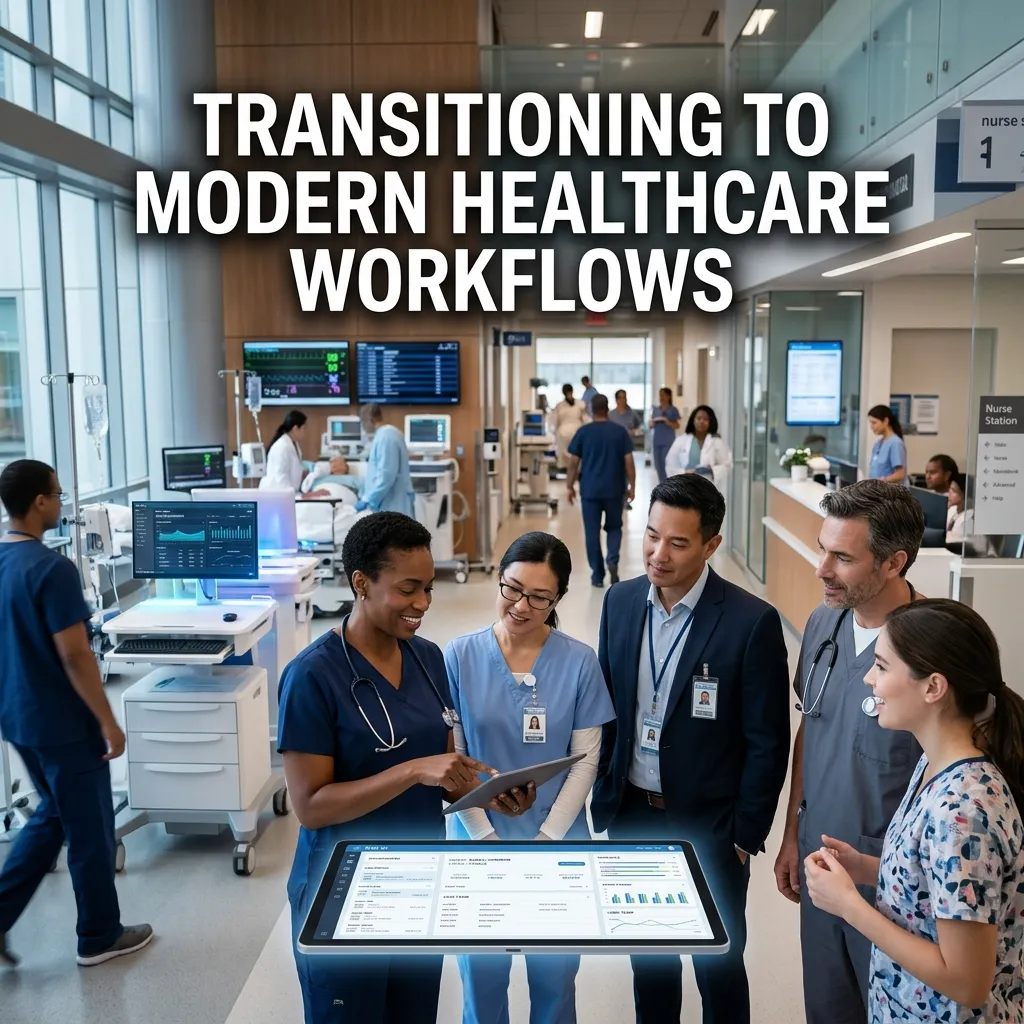
The shift away from paper-based tracking is no longer optional. Facilities that continue to use outdated methods experience higher rates of network leakage, where individuals seek care outside of the preferred health system. This not only impacts the financial health of the organization but also disrupts the continuity of care. Implementing a modern patient referral system resolves these operational bottlenecks by centralizing data access and automating routine tasks.
Embracing Advanced Technology
One of the most significant advancements in healthcare administration is the adoption of Automated Referral Systems. These platforms eliminate the need for manual data entry, which is highly prone to human error. Instead of staff members spending hours deciphering handwriting or tracking down misplaced faxes, automated software instantly routes the request to the appropriate department. It also triggers notifications to both the sending and receiving providers, ensuring total transparency.
Furthermore, these modern platforms facilitate closed-loop communication. A closed-loop patient referral system means that once the specialist completes the consultation, their notes and treatment plans are automatically sent back to the primary care provider. This continuous exchange of information allows the primary physician to manage the individual’s long-term health effectively. Without this loop, the primary provider is left in the dark, which can lead to conflicting medications or duplicated efforts.
The Power of Connectivity
To achieve a truly unified network, facilities must prioritize EHR Integration. An electronic health record is only as powerful as its ability to communicate with other systems. When your patient referral system integrates seamlessly with your existing EHR, it creates a single source of truth. Providers do not have to switch between multiple applications to send or review a request. Everything is handled within the familiar interface of the patient’s digital chart.
Seamless integration also accelerates the insurance pre-authorization process. Many specialized treatments require approval from payers before the visit can occur. An integrated patient referral system can automatically pull the necessary clinical documentation from the EHR and submit it for authorization. This reduces the administrative burden on your staff and significantly shortens the time the individual has to wait for necessary care. According to authoritative sources like the Centers for Medicare & Medicaid Services, reducing these administrative hurdles is a key component of value-based care initiatives.
Amplifying Communication and Trust
 A robust patient referral system is fundamentally about building trust. This trust must exist between the referring provider and the specialist, but more importantly, it must exist between the healthcare organization and the community it serves. When individuals feel that their health journey is being handled with precision and care, they are much more likely to comply with treatment plans and return for future needs.
Keeping the Community Informed
Active Patient Engagement is a critical metric for a successful transition of care. When an individual is told they need to see a specialist, they often experience anxiety and confusion. A proactive patient referral system mitigates this stress by automatically sending educational materials, appointment reminders, and clear instructions on what to expect. By keeping the individual informed through text messages or secure portals, you empower them to take an active role in their health.
Engaged individuals are far less likely to miss their scheduled appointments. High no-show rates are a massive drain on specialized clinics. By utilizing an automated patient referral system to maintain contact, clinics see a dramatic increase in completed visits. Providing a digital tracking link, similar to tracking a package delivery, gives individuals peace of mind. They can see when their request was sent, when it was received, and when they should expect a scheduling call.
Fostering Collaborative Care
Effective Specialist Coordination is the hallmark of top-tier medical facilities. Specialists rely on accurate, comprehensive data to make informed clinical decisions. If a patient referral system delivers incomplete files, the specialist must spend valuable appointment time gathering basic history rather than focusing on the complex issue at hand. By standardizing the required data fields for every request, organizations ensure that specialists have exactly what they need from day one.
Furthermore, a dynamic patient referral system allows specialists to easily communicate their availability and preferred protocols back to primary care networks. If a specific orthopedic surgeon requires recent X-rays before a consultation, the system can flag this requirement automatically before the request is even submitted. This level of coordination prevents rejected requests and eliminates the frustrating back-and-forth communication that typically delays care.
Analyzing the Impact: Traditional vs. Modern Approaches
To truly understand the value of an optimized workflow, it is helpful to compare outdated methods with modern solutions. The table below highlights the stark contrast between a manual process and a digitized patient referral system.
|
Feature |
Traditional Manual Process |
Modern Patient Referral System |
|---|---|---|
|
Data Transmission |
Fax machines, phone calls, paper forms |
Encrypted digital routing, instant cloud sharing |
|
Tracking Status |
Blind process, requires manual follow-up calls |
Real-time digital dashboards, automated alerts |
|
Data Accuracy |
High risk of errors, lost files, illegible handwriting |
Standardized digital fields, required data checks |
|
Patient Updates |
Often left in the dark, high anxiety |
Automated SMS/email updates, portal tracking |
|
Specialist Feedback |
Frequently delayed or never sent back to primary care |
Closed-loop reporting directly into the EHR |
|
Operational Cost |
High labor hours are spent on administrative tasks |
Reduced labor costs, optimized staff allocation |
Common Mistakes to Avoid in Referral Management
Even with the best intentions, healthcare organizations often stumble when optimizing their network. Understanding these pitfalls is the first step toward refining your patient referral system.
- Failure to Standardize Workflows: Allowing different departments to use varying methods for sending requests creates chaos. A successful patient referral system demands uniform protocols across the entire organization.
- Ignoring the Closed Loop: Sending the individual out is only half the job. Failing to secure the specialist’s notes after the visit breaks the continuity of care.
- Overlooking Staff Training: Implementing a new digital patient referral system without providing comprehensive training leads to low adoption rates and increased errors.
- Neglecting Directory Maintenance: Sending requests to specialists who have retired, moved, or stopped accepting certain insurances causes immediate delays. Your directory must be audited and updated constantly.
- Excluding the Individual: Treating the transition as an internal administrative task rather than a collaborative health journey leads to high no-show rates. You must keep the individual informed at every stage.
Pro Tips for Maximizing Efficiency
 To elevate your patient referral system from functional to exceptional, consider implementing these expert strategies.
- Leverage Data Analytics: Use your patient referral system to track metrics like average wait times, acceptance rates, and network leakage. This data highlights exactly where bottlenecks are occurring.
- Establish Service Level Agreements (SLAs): Create internal agreements on how quickly a request must be processed and how fast a specialist must return notes. Hold all parties accountable to these standards.
- Automate Pre-Consultation Gathering: Configure your patient referral system to automatically request necessary lab work or imaging before the individual ever sets foot in the specialist’s office.
- Utilize Referral Coordinators: Designate specific staff members whose sole responsibility is to oversee the patient referral system. Having dedicated experts ensures that complex cases are managed with precision.
- Prioritize Healthcare Compliance: Ensure that every aspect of your patient referral system adheres strictly to HIPAA guidelines. Utilize secure, encrypted platforms to protect sensitive health information during transit.
The Future of Care Transitions
As healthcare continues to evolve, the tools we use to manage transitions must also advance. The next generation of the patient referral system will likely incorporate artificial intelligence to predict which specialists yield the best outcomes for specific conditions based on historical data. This level of predictive routing will further personalize care and optimize network utilization.
However, technology alone is not a silver bullet. The core of an exceptional patient referral system will always be the human element. It is about primary care providers, specialists, and administrative staff working together in harmony. By adopting a system that removes friction and enhances visibility, these professionals can focus their energy where it belongs: on healing the people who trust them.
Conclusion
Frequently Asked Questions
1. What exactly is a patient referral system?
A patient referral system is a structured process and set of digital tools used by healthcare providers to transfer an individual’s care from a primary physician to a specialist. It manages the secure exchange of medical records, tracking, and communication to ensure continuous, high-quality care.
2. How does an automated system improve upon manual faxing?
Automated platforms eliminate the errors and delays associated with paper faxes. They provide instant, encrypted transmission of records, real-time status tracking, and automated alerts, which significantly speeds up the transition process and prevents lost documents.
3. Why is a closed-loop process important?
A closed-loop process ensures that after a specialist evaluates an individual, their clinical notes and treatment recommendations are sent directly back to the referring primary care provider. This guarantees that the primary physician has the full picture to manage long-term health safely.
4. How can we reduce our network leakage?
You can reduce leakage by implementing a patient referral system that makes it incredibly easy for primary providers to find and select highly qualified, in-network specialists. Maintaining an accurate, up-to-date provider directory is crucial for keeping care within your health system.
5. What role does electronic health record integration play?
Integrating your referral tools directly with your electronic health record allows staff to send and receive requests without switching software. It creates a single, accurate source of truth, speeds up administrative workflows, and ensures all clinical data is bundled accurately.
6. How can we lower our specialist no-show rates?
High no-show rates are often caused by poor communication. Utilizing a system that sends automated text messages, appointment reminders, and clear preparation instructions keeps individuals engaged and drastically increases the likelihood that they will attend their specialist visit.
7. What is the biggest mistake clinics make with referrals?
The biggest mistake is failing to standardize the workflow across the organization. When different departments use different methods (some faxing, some calling, some emailing), it creates a chaotic environment where requests easily fall through the cracks and tracking becomes impossible.
8. How does a formalized system help with insurance authorizations?
A digital workflow can automatically compile the exact clinical documents and diagnosis codes required by specific insurance payers. This organized approach speeds up the pre-authorization process, reducing the time an individual has to wait before receiving specialized treatment.
9. Can specialized clinics benefit from these systems too?
Absolutely. Specialized clinics benefit immensely because a streamlined system ensures they receive complete, accurate medical histories before the consultation. This allows the specialist to spend their time treating the individual rather than tracking down missing lab results.
10. How do we ensure our new system is compliant with healthcare regulations?
You must partner with software vendors that provide fully encrypted, HIPAA-compliant platforms. Additionally, you should conduct regular audits of your patient referral system to ensure that access controls are strict and that patient data is protected during every phase of the transfer.
