

Diabetes develops due to genetics, unhealthy lifestyle, immune issues, and pregnancy hormones. Understanding the meaning of diabetes helps identify risks early and encourages prevention through healthy eating, regular exercise, and maintaining a healthy body weight.
Understanding the diabetes meaning is important for recognizing how this common health condition affects the body’s ability to control blood sugar levels. Diabetes occurs when insulin production is insufficient or when the body cannot use insulin properly. This leads to high glucose levels in the blood, which can cause long-term health complications. Learning about diabetes helps people identify symptoms early, understand risk factors, and make healthier lifestyle choices for better prevention and management.
Basic Diabetes Meaning and Overview
The diabetes meaning refers to a metabolic disorder in which the body is unable to properly regulate blood sugar (glucose) levels. This happens either when the pancreas does not produce enough insulin or when the body cannot use insulin effectively. Insulin is a vital hormone that helps move glucose from the blood into cells for energy. When this process fails, sugar builds up in the bloodstream, leading to health complications over time. Diabetes is not just one condition but a group of related disorders that require lifelong care and monitoring. Understanding the basic diabetes meaning helps people recognize how diet, lifestyle, and genetics influence the disease and why early detection is important for maintaining long-term health and preventing complications.
Types of Diabetes Explained
Diabetes is mainly classified into three types: Type 1, Type 2, and gestational diabetes. Type 1 occurs when the immune system attacks insulin-producing cells in the pancreas, requiring insulin therapy for survival. Type 2 diabetes is the most common type and is strongly linked to lifestyle factors such as poor diet, obesity, and lack of physical activity. Gestational diabetes develops during pregnancy and usually disappears after childbirth, but it increases the risk of developing Type 2 later in life. All types are connected to diabetes, which involves improper regulation of blood sugar levels. Understanding these types is essential for identifying risk levels early and choosing the right treatment or prevention strategy based on individual health conditions.
Common Causes of Diabetes
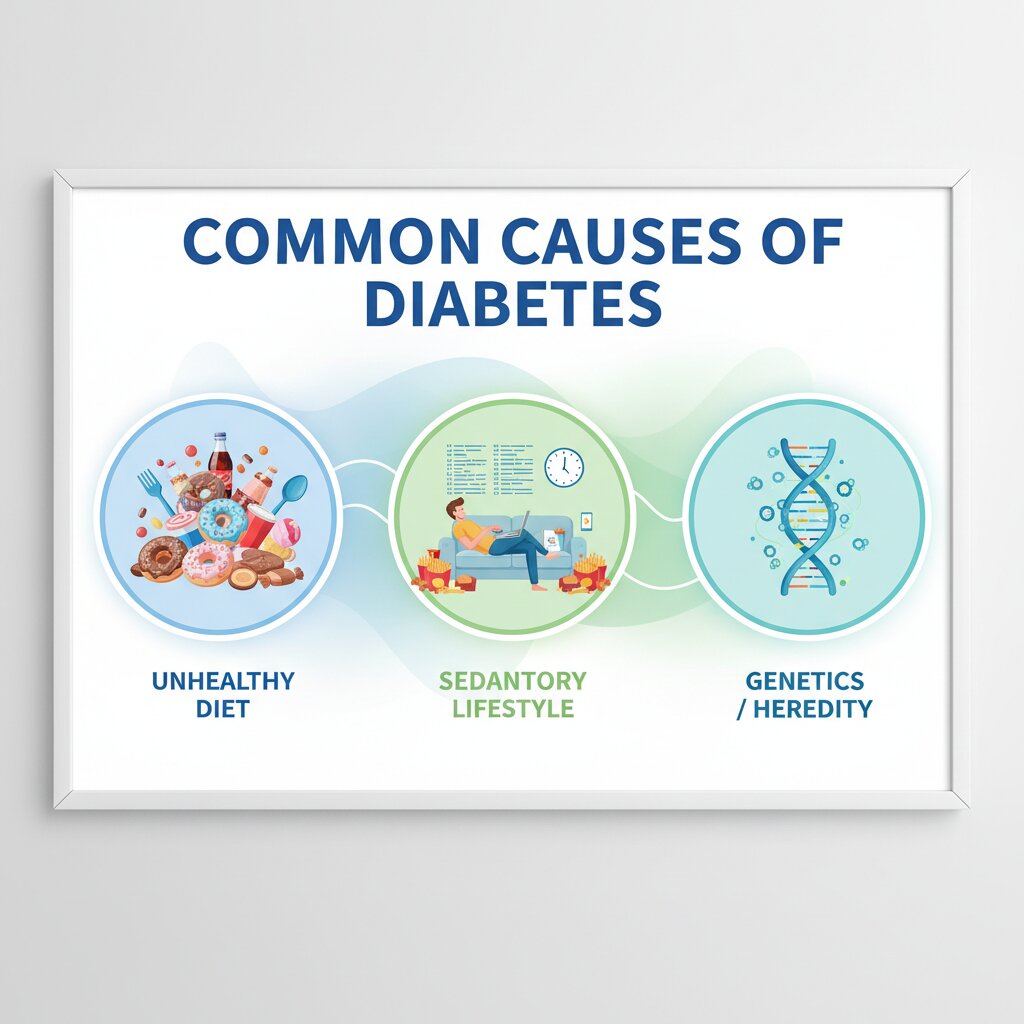 The causes of diabetes depend on the type, but several common factors contribute to its development. Genetics plays an important role, as having a family history of diabetes increases the risk. Poor lifestyle habits such as unhealthy eating, lack of physical activity, and obesity are major causes of Type 2 diabetes. In Type 1 diabetes, the immune system mistakenly attacks and destroys insulin-producing cells, although the exact cause is still unclear. Hormonal changes during pregnancy can lead to gestational diabetes as well. Understanding the diabetes meaning helps explain how both internal and external factors affect blood sugar control. Awareness of these causes supports early prevention through healthier eating, regular exercise, and maintaining a balanced body weight.
Early Signs and Symptoms
Recognizing early symptoms of diabetes is very important for timely treatment and better health outcomes. Common signs include frequent urination, excessive thirst, constant hunger, fatigue, and unexplained weight loss. Some individuals may also experience blurred vision, dry skin, and slow-healing wounds. These symptoms occur because high blood sugar affects the body’s normal functions and energy balance. Many people ignore these early warnings, which can lead to serious complications later. Understanding the diabetes meaning helps individuals connect these symptoms with possible blood sugar problems. Early detection allows for lifestyle changes, medical treatment, and better control of the condition. Identifying symptoms early can significantly reduce the risk of long-term damage to organs such as the kidneys, eyes, and nerves.
Risk Factors of Diabetes
Several risk factors increase the likelihood of developing diabetes. These include being overweight, lack of physical activity, unhealthy diet, age, and family history. High blood pressure and high cholesterol also raise the risk of Type 2 diabetes. People with a sedentary lifestyle are more likely to develop insulin resistance over time. Women who experienced gestational diabetes are also at higher risk of developing Type 2 diabetes later in life. Understanding the diabetes meaning helps explain how these factors affect blood sugar regulation in the body. By identifying these risks early, individuals can take preventive steps such as exercising regularly, eating balanced meals, and maintaining a healthy weight. Awareness of risk factors plays a key role in reducing future complications.
How Diabetes Affects the Body
Diabetes can affect almost every part of the body when blood sugar levels remain uncontrolled. High glucose levels can damage blood vessels and nerves over time, leading to serious complications. It can impact vital organs such as the kidneys, eyes, heart, and brain. Common complications include kidney disease, vision loss, nerve pain, and increased risk of heart attacks. The body’s ability to heal wounds also slows down, increasing the chance of infections. Understanding the diabetes meaning highlights why proper blood sugar management is essential. Without control, long-term complications can significantly reduce quality of life. However, with proper care, regular monitoring, healthy eating, and medication when needed, many of these complications can be prevented or delayed effectively.
Diagnosis of Diabetes
 Diabetes is diagnosed through blood tests that measure glucose levels in the body. Common tests include fasting blood sugar, the HbA1c test, and the oral glucose tolerance test. These tests help doctors determine whether blood sugar levels are normal, prediabetic, or diabetic. A proper diagnosis is usually confirmed after repeated high readings. Understanding the diabetes meaning helps patients realize the importance of regular health checkups, especially for those with risk factors. Early diagnosis is crucial because it allows timely treatment and reduces the risk of complications. Routine screening is especially important for adults, pregnant women, and individuals with a family history of diabetes. Detecting the condition early ensures better management and improves long-term health outcomes significantly.
Complications of Uncontrolled Diabetes
If diabetes is not properly managed, it can lead to serious long-term health complications. High blood sugar levels damage blood vessels and nerves over time, affecting multiple organs in the body. These complications often develop slowly, making early control very important. Understanding the diabetes meaning also highlights why consistent monitoring and treatment are necessary to avoid these risks. Complications can reduce quality of life and may become life-threatening if ignored. However, with proper care, many of these issues can be delayed or prevented. Regular checkups, medication, and a healthy lifestyle are key to reducing the chances of severe health problems associated with diabetes.
Key complications include:
- Heart disease and stroke
- Kidney damage (nephropathy)
- Nerve damage (neuropathy)
- Eye problems and vision loss
- Slow wound healing and infections
| Complication Type | Affected Area | Possible Outcome |
|---|---|---|
| Cardiovascular | Heart & Blood Vessels | Heart attack, stroke |
| Kidney Disease | Kidneys | Kidney failure |
| Neuropathy | Nerves | Pain, numbness |
| Retinopathy | Eyes | Vision loss |
Management and Treatment Options
Managing diabetes requires a mix of healthy lifestyle changes, medication, and regular monitoring to maintain stable blood sugar levels. A balanced diet, regular physical activity, and maintaining a healthy weight are essential for effective control. Some individuals may need oral medications or insulin therapy depending on their condition. Regular blood glucose checks help track progress and guide treatment adjustments when needed. Understanding the diabetes meaning encourages patients to take responsibility for their health and follow care plans properly. When people clearly understand the diabetes meaning, they are more likely to manage the condition effectively. With consistent care, diabetes can be controlled, allowing individuals to live active, healthy lives while reducing the risk of complications through early intervention and ongoing monitoring.
Prevention and Healthy Lifestyle Tips
Preventing Type 2 diabetes is possible through healthy lifestyle choices and daily habits that support stable blood sugar levels. A balanced diet rich in fruits, vegetables, whole grains, and fiber plays an important role in prevention. Regular physical activity improves insulin sensitivity and helps maintain a healthy weight. Avoiding processed foods, sugary drinks, and unhealthy fats is also essential. Understanding the diabetes meaning helps people realize that prevention begins with consistent healthy choices. When individuals clearly understand the diabetes meaning, they can see how lifestyle affects blood sugar control. Small changes like daily walking or reducing sugar intake can make a big difference, and some platforms also focus on Promoting Diabetes Products.
Healthy Daily Habits for Diabetes Control

Managing diabetes effectively requires consistent healthy daily habits. Small lifestyle changes can significantly improve blood sugar control and overall well-being. A proper routine helps the body use insulin more efficiently and reduces the risk of complications. When people understand the diabetes meaning, they realize that management is not just about medicine but also about daily discipline. Healthy habits like balanced meals, regular activity, and stress control play a major role in maintaining stable glucose levels. Over time, these habits become a strong foundation for better health and the prevention of long-term issues related to diabetes.
Healthy habits to follow:
- Eat balanced meals with fiber and protein
- Exercise at least 30 minutes daily
- Drink plenty of water and stay hydrated
- Avoid sugary foods and processed snacks
- Get 7–8 hours of quality sleep
| Habit Category | Recommended Action | Health Benefit |
|---|---|---|
| Diet | High fiber, low sugar meals | Stable blood sugar |
| Exercise | Walking, cycling, light workouts | Improves insulin sensitivity |
| Sleep | 7–8 hours daily | Hormone balance |
| Hydration | 2–3 liters of water daily | Better metabolism |
| Stress control | Meditation, relaxation | Reduces glucose spikes |
Conclusion
In conclusion, understanding the diabetes meaning is essential for awareness, prevention, and effective management of this common health condition. Diabetes affects how the body regulates blood sugar and can lead to serious complications if not controlled properly. However, with early detection, healthy lifestyle habits, proper diet, regular exercise, and medical support, it can be successfully managed. Education plays a key role in helping people recognize symptoms, understand risks, and take preventive action. By staying informed and making healthier choices, individuals can significantly reduce their chances of developing complications. Diabetes is manageable when handled correctly, and awareness is the first step toward a healthier and better quality of life for everyone.
Frequently Asked Questions
1. What is the simple diabetes meaning?
Diabetes refers to a long-term condition where the body cannot properly control blood sugar levels due to lack of insulin or insulin resistance. This causes high glucose in the blood, leading to health complications if not managed properly.
2. What are the main types of diabetes?
The main types include Type 1, Type 2, and gestational diabetes. Type 1 is autoimmune, Type 2 is lifestyle-related, and gestational occurs during pregnancy. Each type affects blood sugar control differently but requires proper monitoring and care.
3. What causes diabetes in most people?
Diabetes is mainly caused by genetics, unhealthy diet, lack of exercise, obesity, and hormonal changes. In Type 1, the immune system damages insulin cells. These factors disrupt blood sugar balance and increase long-term health risks.
4. What are the early signs of diabetes?
Early signs include frequent urination, excessive thirst, fatigue, blurred vision, and unexplained weight loss. These symptoms happen due to high blood sugar levels affecting normal body functions and should not be ignored for timely diagnosis.
5. Can diabetes be cured completely?
Currently, diabetes cannot be fully cured, but it can be controlled. With proper diet, exercise, medication, and monitoring, people can manage blood sugar levels effectively and live a healthy, normal, and active life.
6. Who is at higher risk of diabetes?
People with obesity, family history, unhealthy eating habits, and sedentary lifestyles are at higher risk. Age and previous gestational diabetes also increase the chances. Early awareness helps reduce risk through better lifestyle choices and regular health checkups.
7. How is diabetes diagnosed?
Diabetes is diagnosed using blood tests such as fasting blood sugar, HbA1c, and glucose tolerance tests. These tests measure blood sugar levels and help doctors confirm whether a person has normal, prediabetic, or diabetic conditions.
8. What foods should diabetics avoid?
Diabetics should avoid sugary drinks, processed foods, white bread, fried items, and high-carb snacks. These foods increase blood sugar quickly. A balanced diet with fiber-rich foods helps maintain stable glucose levels and overall better health.
9. Can lifestyle changes help with diabetes?
Yes, lifestyle changes play a major role in managing diabetes. Regular exercise, healthy eating, weight control, and stress management improve insulin function. These habits help maintain blood sugar levels and reduce risk of complications effectively.
10. Why is understanding diabetes meaning important?
Understanding the meaning of diabetes helps people recognize symptoms early, identify risk factors, and take preventive action. It increases awareness about blood sugar control and encourages healthier lifestyle choices to reduce long-term complications and improve overall well-being.
